

On Reconciliation Day, December 16th, we have traditionally in Cape Town have organised an Interfaith Walk in District 6. But over these 3 years this became beset with various problems, not least the changing behaviors post-covid and the current divisive world climate.
So yesterday, myself, Cecil Plaatjies, Nic Paton, Aidon Allies, Marie-Therese Nga set out for Mamre to visit the Seutloali family. We took a different route from usual and meandered through upmarket suburbs, vast tracts of farmland, past farm workers’ homes, growing townships and forgotten areas with meaningful names like, Atlantis.
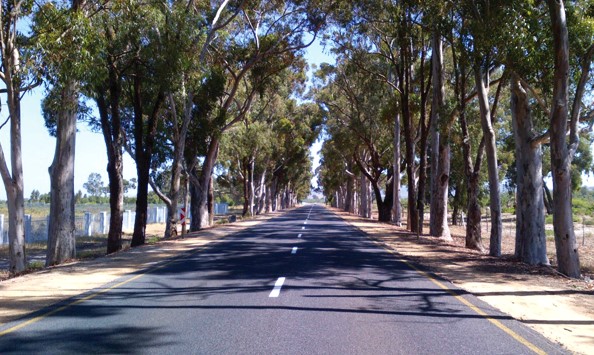
A journey that points to so much that should still be reconciled in this country. Along the winding roads north of Cape Town, we reflected on spatial division, and how many have been flung to outlying areas, with not much access to amenities and opportunity.
It was my second visit after the devastating fire which destroyed the Seutloali homestead. (See “Rising from the Ashes”). We were met with broad smiles and warm hearts. It was a lesson in resilience, hope and victory of the spirit. The Seutloali’s are rebuilding their home and planted crops again.
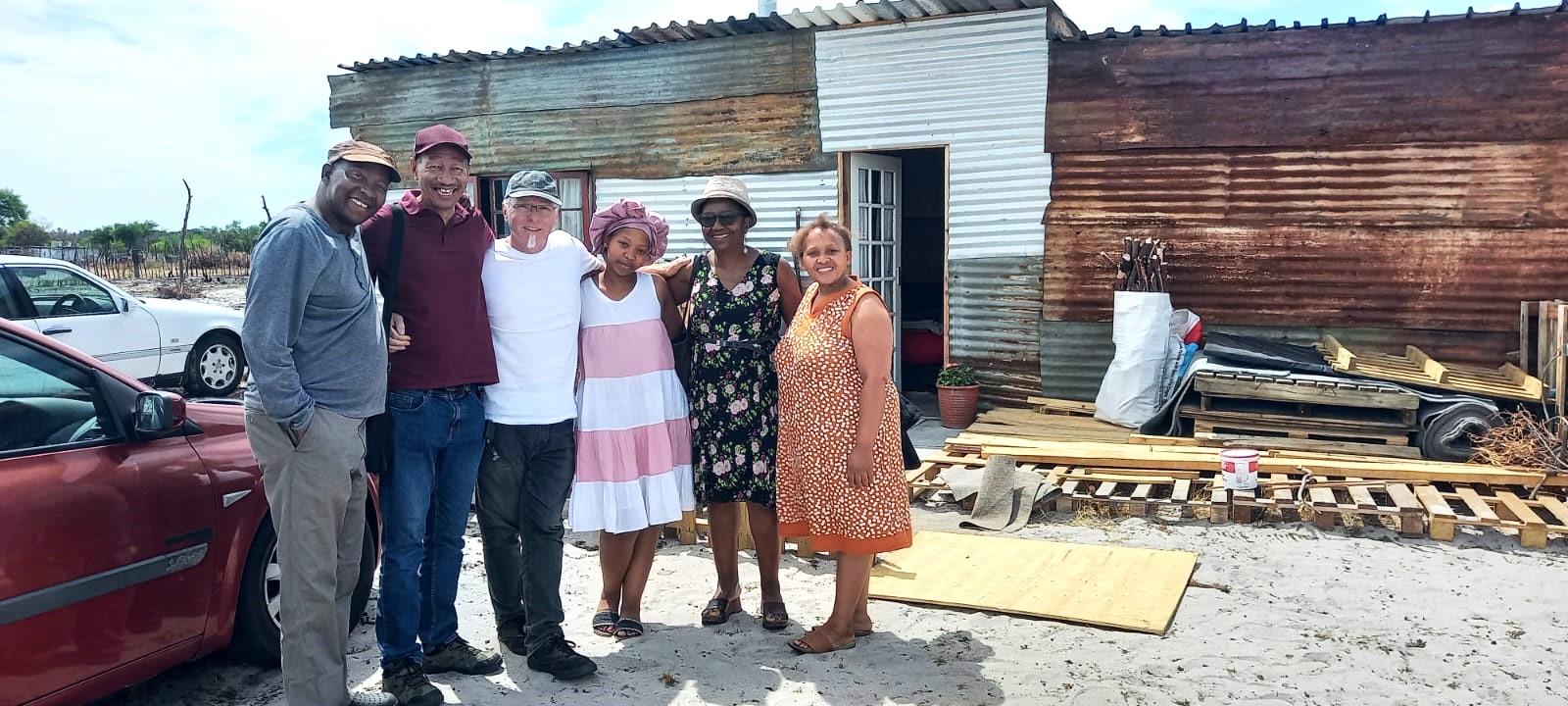
We spent the afternoon in conversation and encouraging each other, and also got to meet another family from the community who came over to visit.
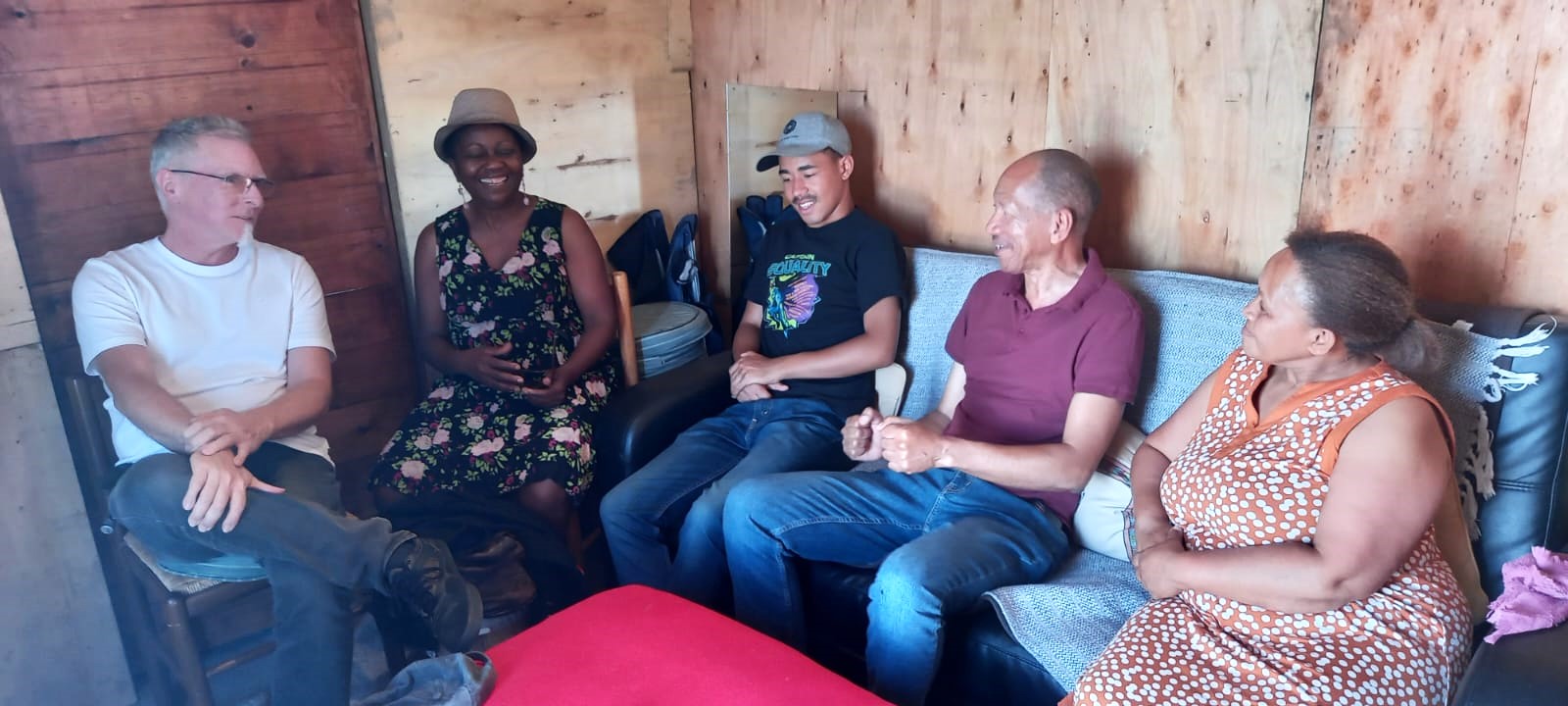
Interfaith is often viewed as a public event consisting of many different religions on the same platform. Person-to-person dialogue does not make good copy. It is invisible, not easy to quantify and label, but it is a model of real peace work and reconciliation. Something that should become part of our daily interactions with each other.
Without planning or ceremony, we found ourselves having been meaningfully involved in an act of Reconciliation.

