

This year, the Cape Town Interfaith Initiative’s Grade 11 Youth Interfaith Intercultural Program has been guided by the theme “Local Heart, Global Eyes.” Throughout the year, students have explored compassion as an anchor for Ubuntu-centred interfaith activism for peace and justice.
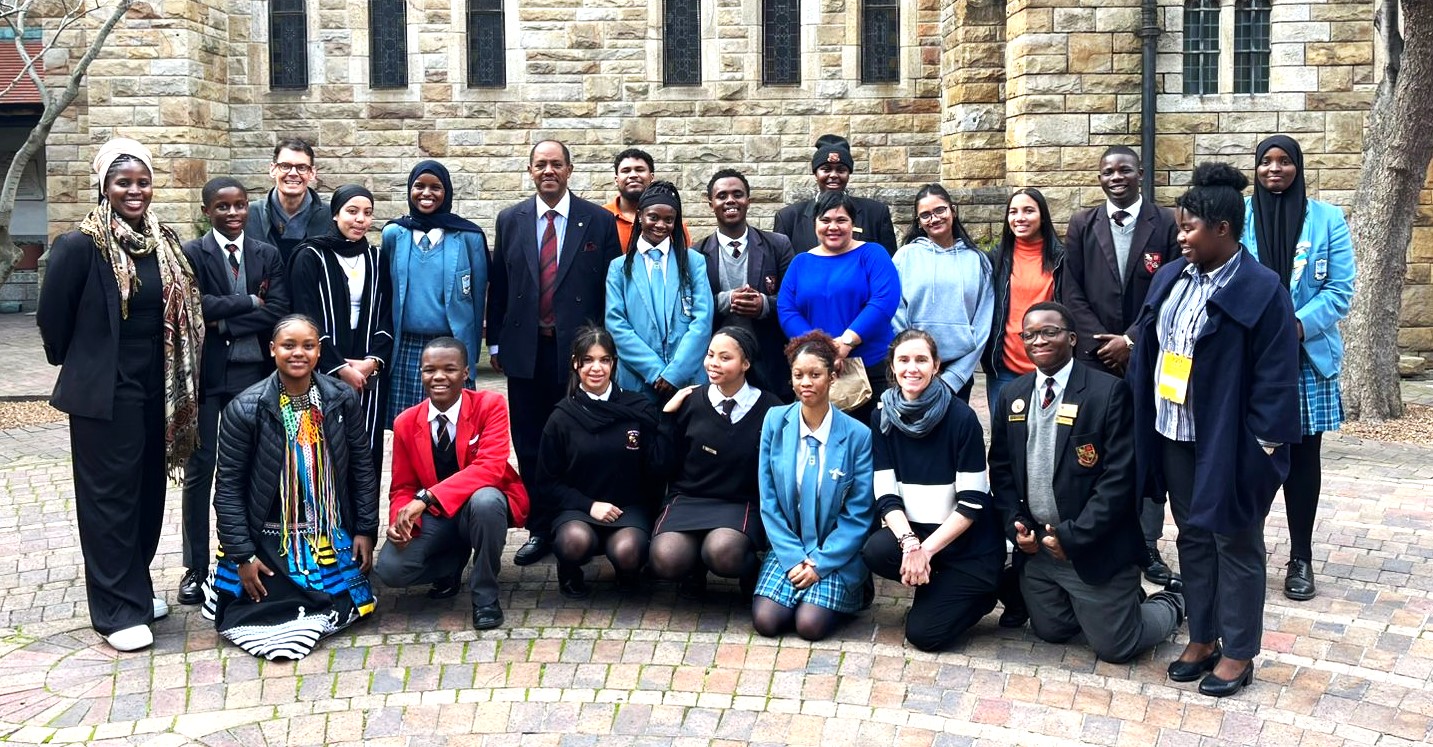
The Grade 11 program visited St Georges Cathedral on Thursday 14th August. St Georges is a site of sacred struggle, from which much activism against Apartheid sprang, especially under the late Archbishop Desmond Tutu.
The program has evolved into a leadership journey, helping participants recognise the broader interfaith community and its connection to global movements for peace. Through reflection, dialogue, and action, students have been encouraged to see themselves not only as active contributors within their local communities but also as part of a wider network working toward collective global impact.
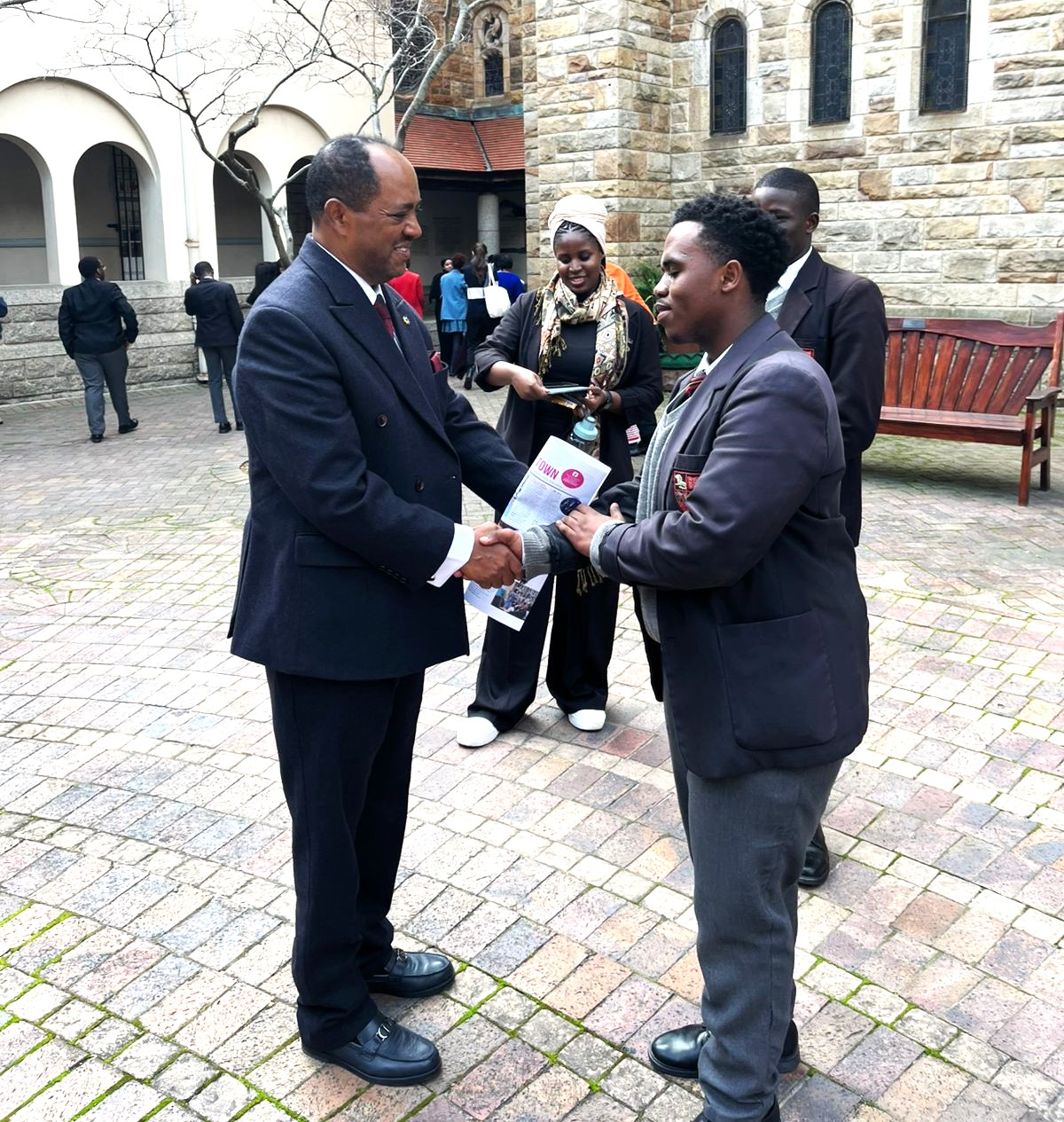
The timing of the most recent session coincided with the close of the G20 Interfaith Forum IF20, providing a unique opportunity for students to engage with global perspectives. The program featured two special guests: Grace Chilongo, a climate change activist from Malawi and G20 participant, and Ambassador Mussie Hailu, Africa Director for URI and Special Representative to the UN and AU. Both highlighted the global network of young interfaith leaders and the impact of faith-based collaboration on international agendas for peace and justice.
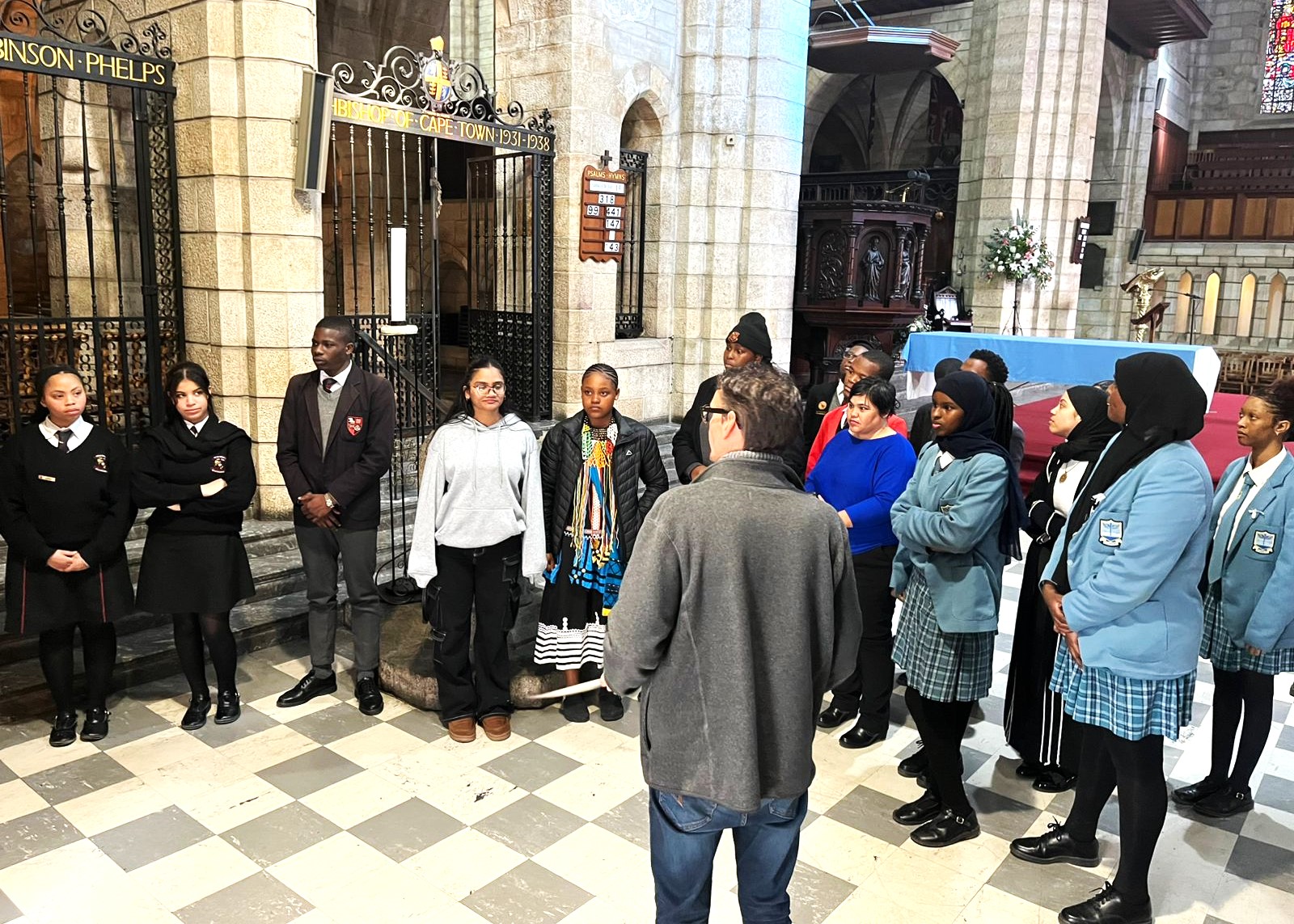
As part of the experience, students visited St George’s Cathedral, where Laurie Guam led a tour that brought the space’s rich history and significance to life. Following the tour, students engaged deeply with The Twelve Steps to a Compassionate Life by Karen Armstrong, interpreting the text through discussions, reflections, and creative exercises. This activity encouraged participants to consider how principles of compassion can be applied in tangible ways, both locally and globally.
The session offered a powerful demonstration of the energy, insight, and commitment of young people to peacebuilding. Through dialogue, reflection, and experiential learning, the students showcased the imagination and courage that are essential for building compassionate, inclusive communities.

