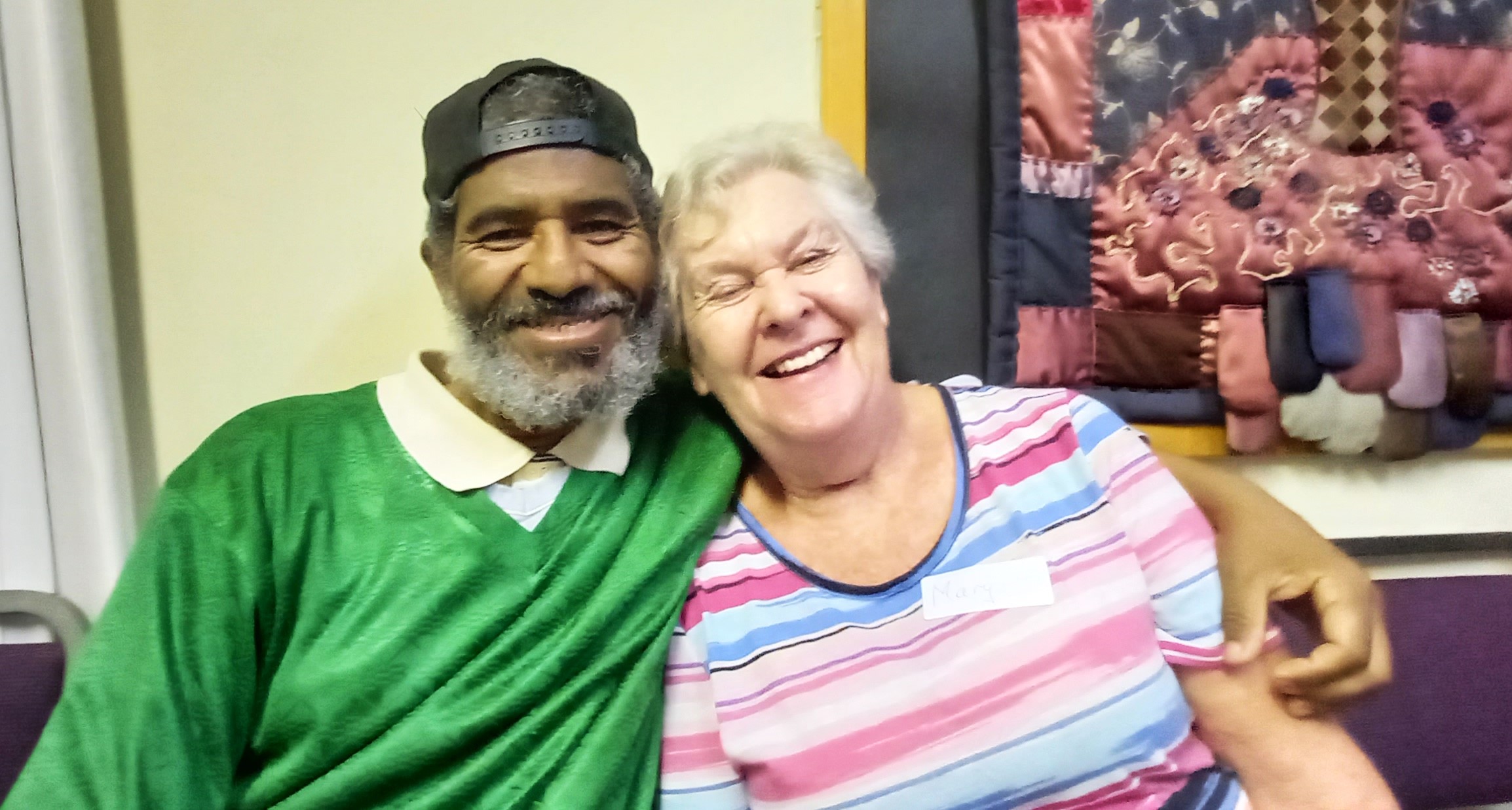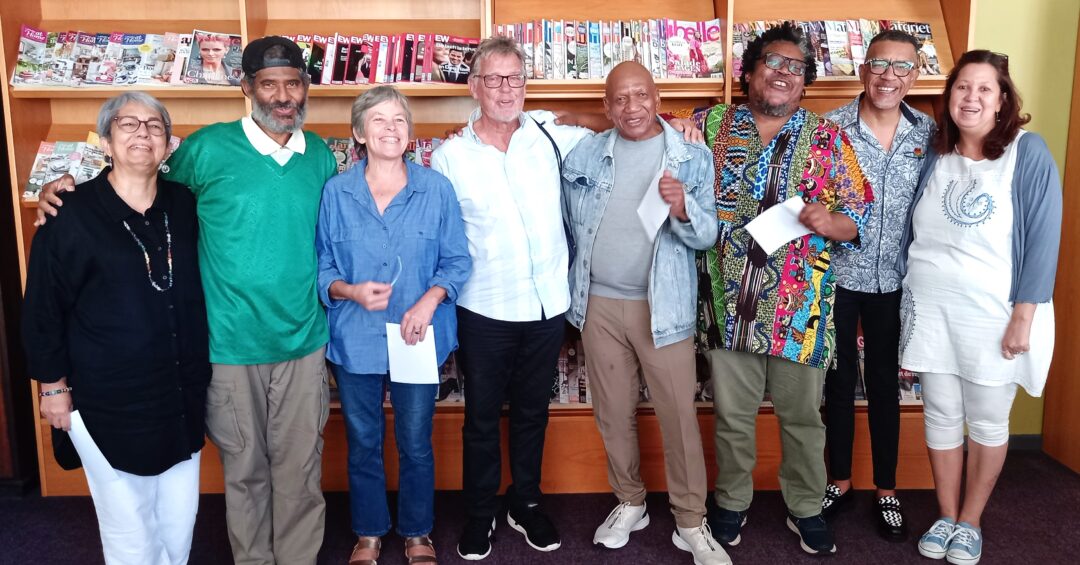
The second session of the Grade 10 2026 YIIP program took place at the new venue, Sasnev Cultural Centre in Pinelands. Eight voices each with powerful stories of working for justice and truth presented themselves to the learners, in a rare and profound experience of shared mentorship.
James Ellman said that from the age of 4 he wanted to serve his community, on the ground, and via a period of his life under Franciscan vows, has remained a committed activist in his impoverished home community of Elsies River. One highlight that he shares with the CTII was his reception of the WIHW prize for the event he co-created in 2019 there. His basic encouragement is to do what you can where you can; even the smallest of actions can make a difference in your community.
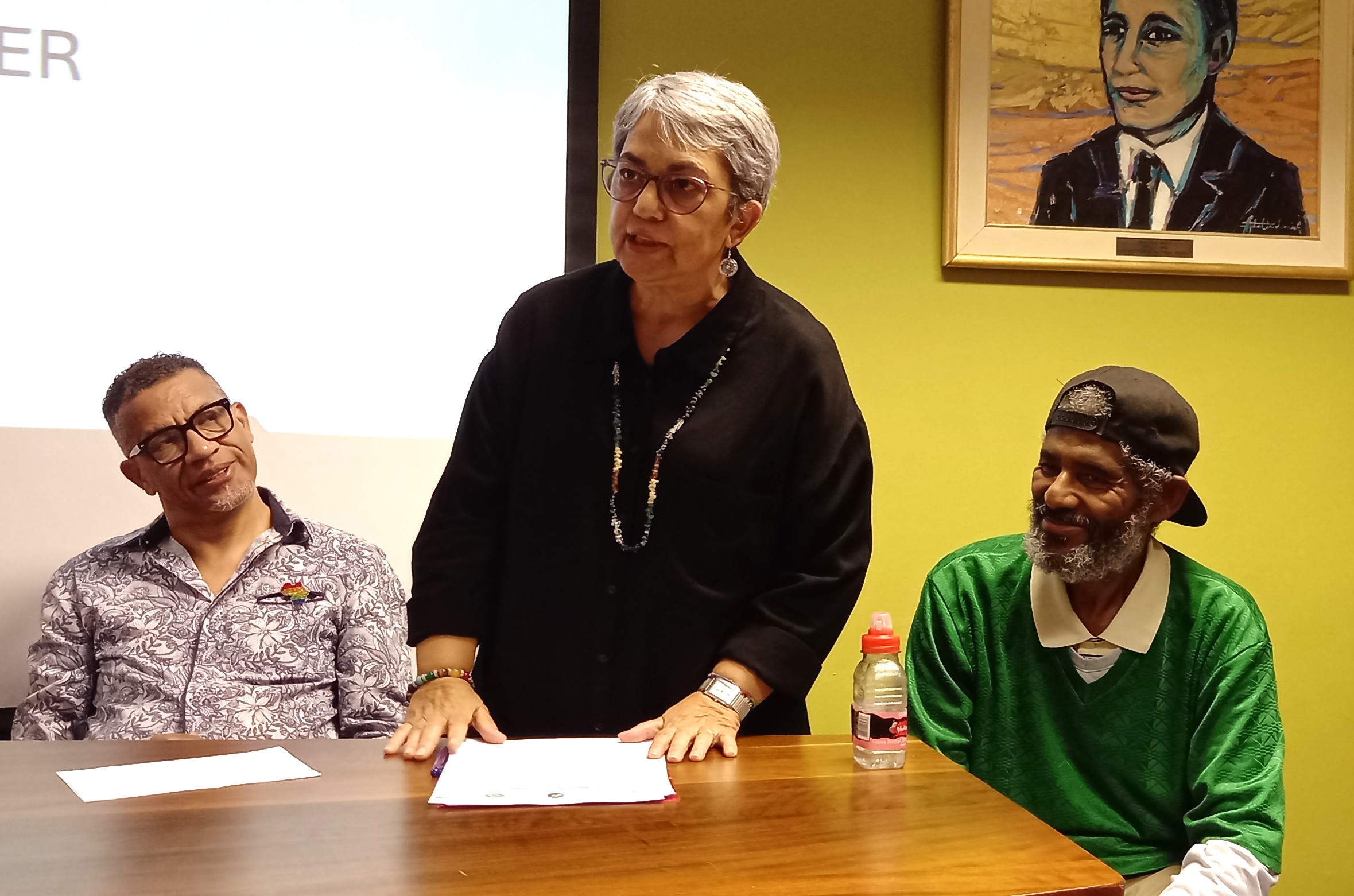
Lucille Meyer (ex-Chrysalis Academy & presently with Genderworks) is a passionate educator and mentor with a broad cross-section of areas and an enormous range of experience. With a background of growing up in District Six and being forcibly removed at age 5, she has committed her life to education; after leaving the sector remains actively involved especially in the ongoing seeking of justice between the sexes. She continues to give of her time and talent as a volunteer – a key factor in repairing the world.
Marlow Newman-Valentine eloquently recounted his painful story of exclusion based on his sexuality, and his overcoming of prejudice in order to answer God’s call on his life. He is the program coordinator of Inclusive and Affirming Ministries (IAM) and delivered a key message at the memorial to Muhsin Hendricks at St Georges Cathedral in February. Having overcome so much, he said that if he could go back and talk to his 6-year-old self he would say: “Be who you are without shame. You belong.”
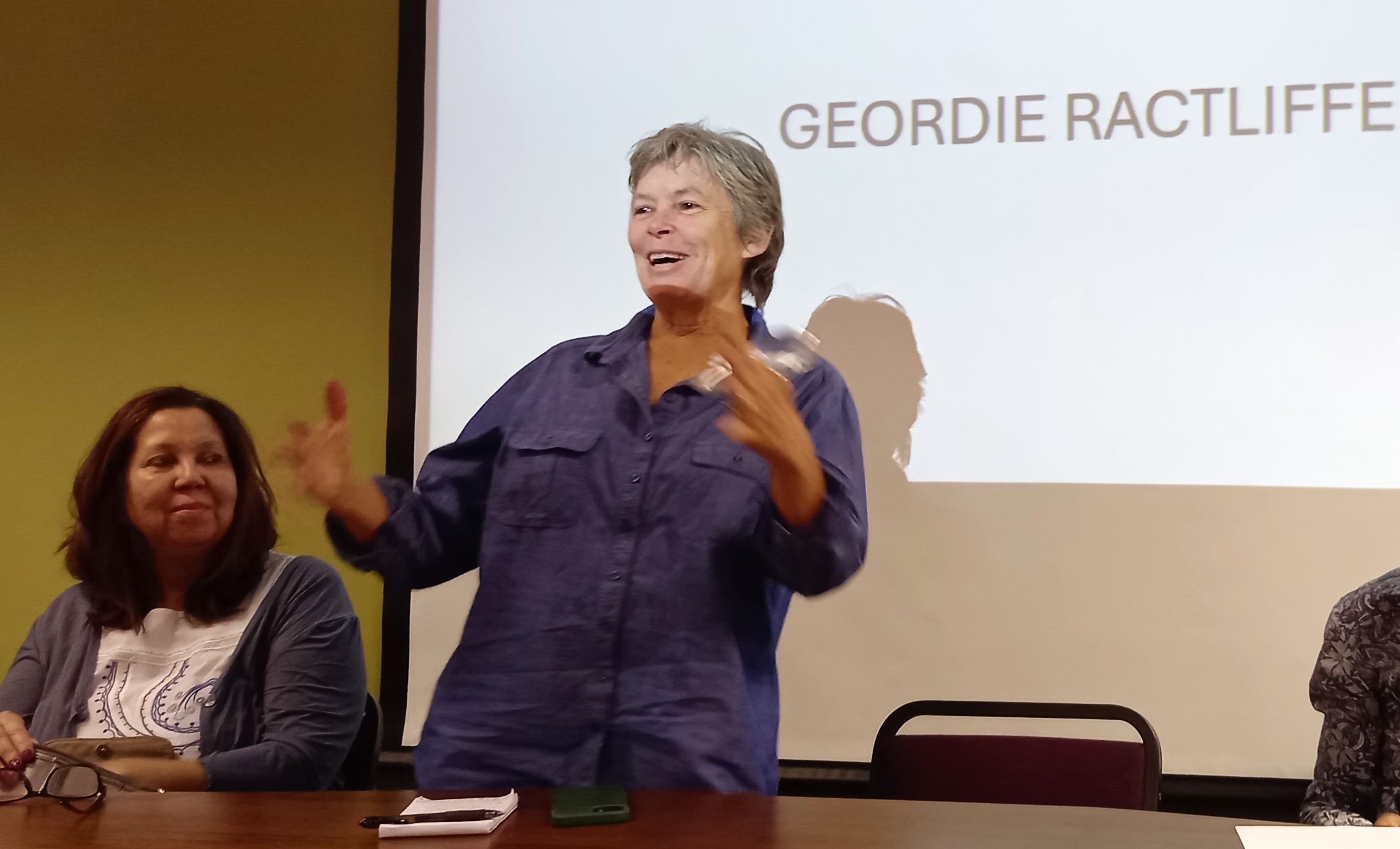
Geordie Ractliffe of Sustainability Matters recalled the heady days of 1980’s student activism against apartheid. What really came across is her passionate sense of abandon in the search for justice at any cost. In her mature years this political commitment has developed into focus on environmental justice. As a white person, she said, recognize your privilege and use that to be in service to the greater good for all, including the environment and maintaining a sustainable life.
Charlene Houston describes herself as a “public historian”, telling our stories for the common good, and not via the biases of commerce, government or academia. This places an emphasis on the arts, using stories and workshops, and on inner, personal, not institutional motivation. Based on her legacy of creative activism, she could confidently tell the learners that they are never too young to take a stand against injustice. She celebrated the freedom we have now to be ourselves, saying “You can wear your hair the way you like it!”
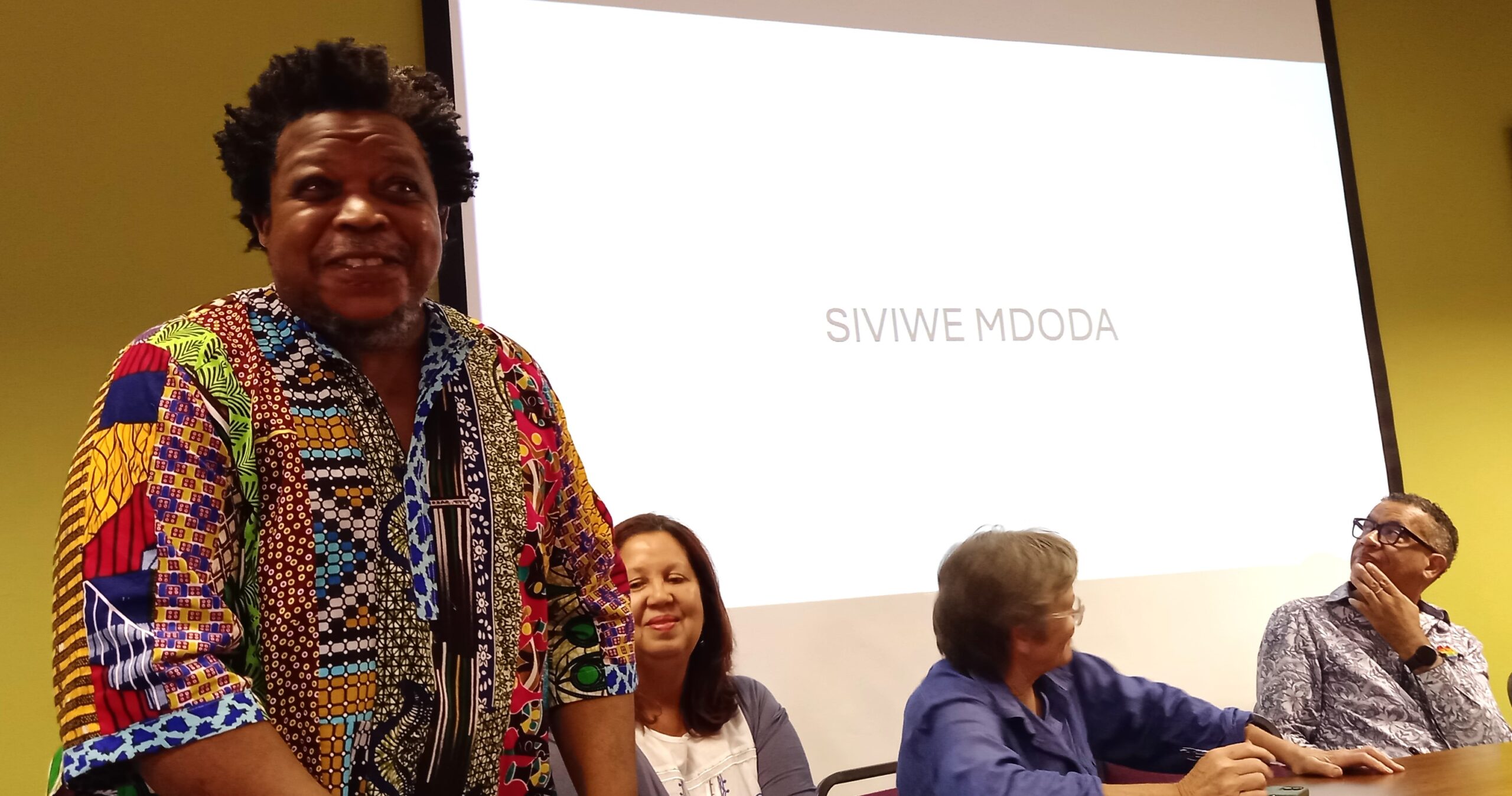
Siviwe Mdoda of the Tshisimani Centre for Activist Education in Khayelitsha has transformed his political activism into a deep commitment to education, keeping alive his experience in birthing the New South Africa. He was first detained at age 13 and suffered torture under the notoriously sadistic apartheid police, refusing even at that age to deny truth. He worked through his anger – such a key dimension to transformation – and found his way to seeking justice in and through his community. He urged us to check everything – sometimes we’re taught what others want us to think.
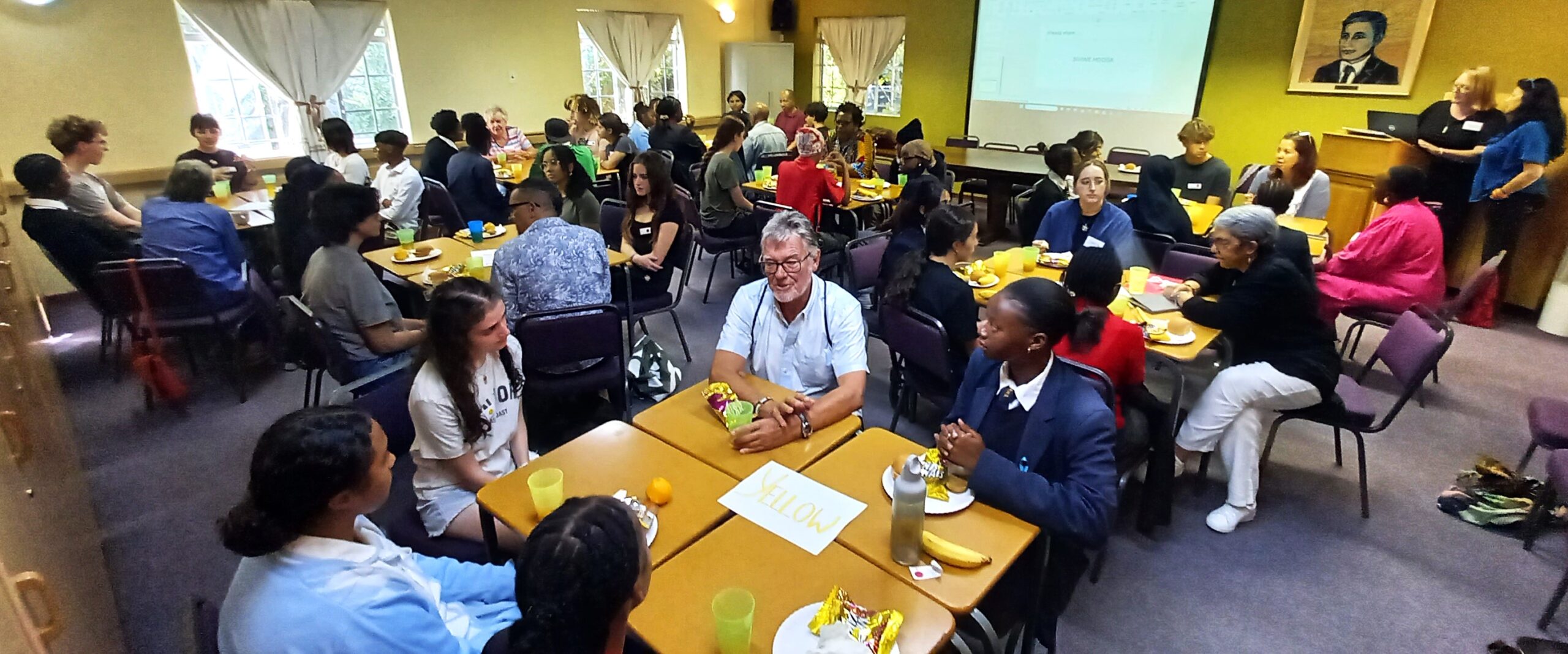
Horst Kleinschmidt told of his time in Pretoria Central prison intentionally placed near the gallows in order to be intimidated by the apartheid states “hanging machine”, but then to later give himself to the cause of freedom in a world with many resonances from the time of his youth. His connections with Steve Biko started with him hearing Biko sing Nkosi Sikelel’ iAfrica as an alternative to the old anthem Die Stem, and went on the being asked by Winnie Mandela to look after her children Zinzi and Zenani as she (like her husband) was imprisoned. Having been raised with fundamental notions of being “white”, Horst in recent years discovered that one of his forebears were Khoi. He encouraged us to search for all the parts of ourselves that may have been hidden and buried in the past; to find out who truly are, as a person and ancestrally; this is the path to healing and true reconciliation.
Sipho Ndabambi struggle activist and Buddhist whose background in Soweto gave an important connection to Cape Town where he has settled. We would have loved to have heard more about his Buddhist practice but time did not permit. But his message was to find courage within yourself and combine your faith with your education to seek justice.
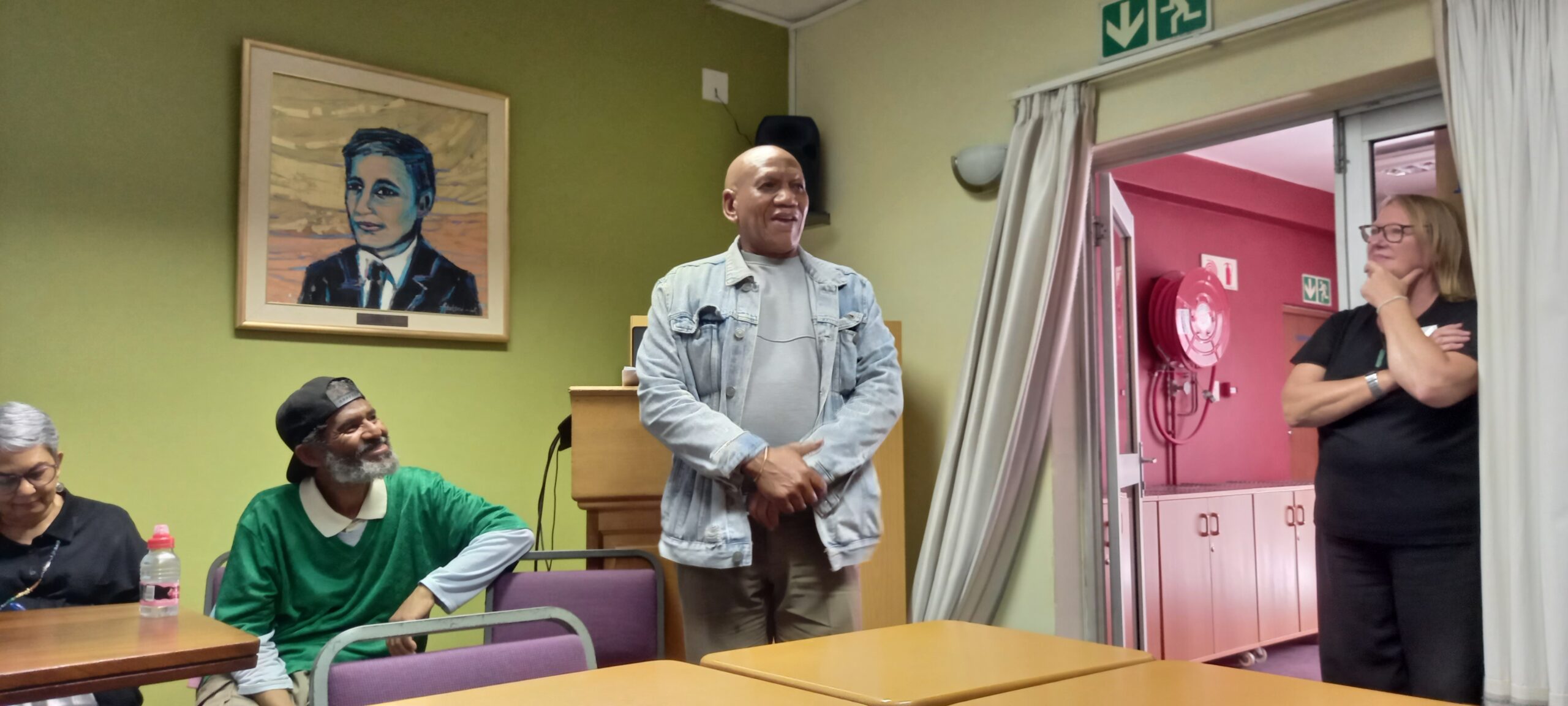
YIIP coordinator Pippa Jones has pulled together a quite remarkable panel of elders that despite their deep diversity, spoke almost as one voice. Our young people saw modelled how they can show up in the world in a variety of different ways, regardless of religion, race, socio economic background, sexuality or gender, and united in their commitment to serving justice and equity.
That the struggle is ongoing, and in the chaos we see in the world today, we must deeply recall the dynamics of freedom, and draw on rabbinic and mystical wisdom in tikkun olam, the “repair of the world”.