
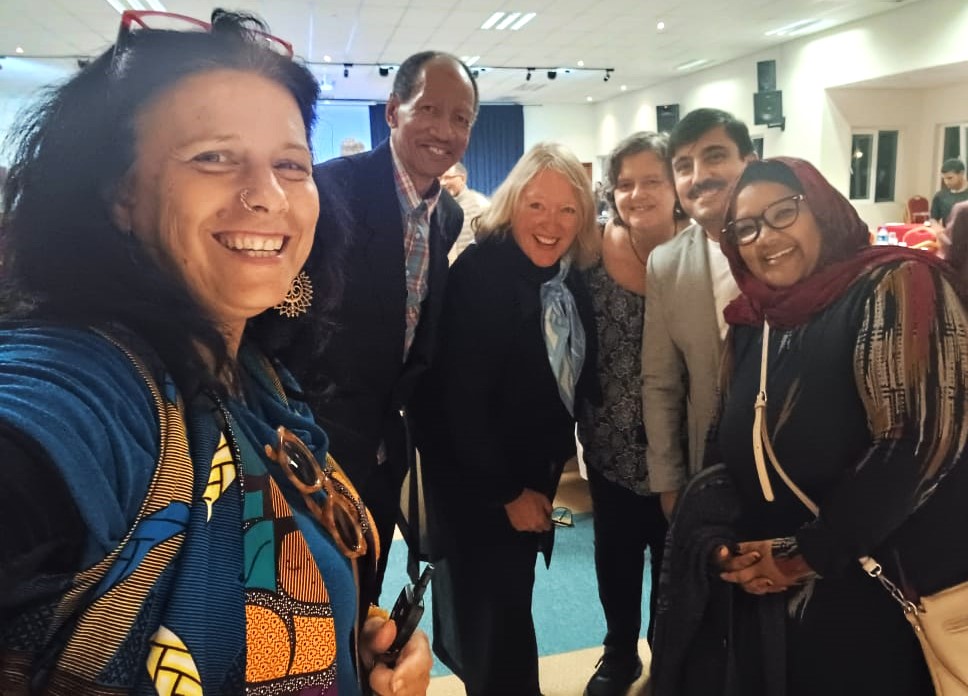
The second floor of the Star College in Bridgetown, Athlone lit with prayer and connection as friends, colleagues, affiliates, comrades and allies of the Turquoise Harmony Institute (THI) gathered on the 10th day of Ramadaan for a Mass Iftaar (Arabic for “breaking fast”).
Continue reading “Ramadaan Festivities with the Turquoise Harmony Institute”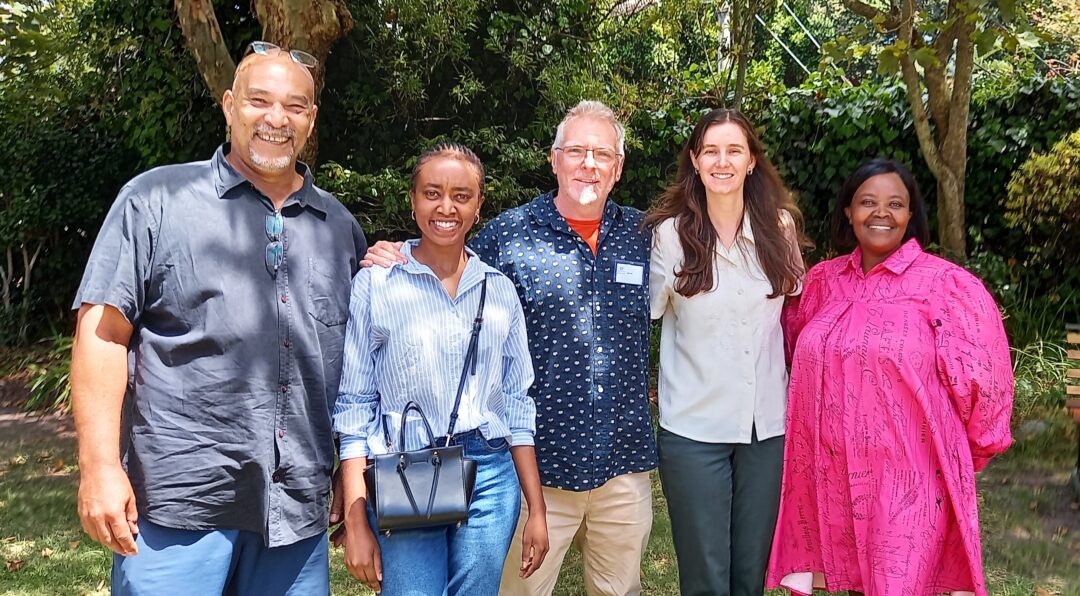
CTII at Michael Oak Waldorf School
It was a delight to be invited to the Michael Oak Waldorf School on Friday 27 February to talk to the matric religious studies class. Teacher Roy Davids curated the space very well and this “ad-hoc” (non YIIP) schools encounter follows on from CTII our presentation to Springfield Convent last year.
The CTII provides a service to schools who want to deepen the interfaith awareness in their own environments. Sarah Oliver, Veli Ntsume and myself attended, together with Veli’s daughter Sam, a theology graduate from Stellenbosch university.
Roy’s brief was for the CTII to address:
* A history of the CTII, why, when and by whom it was formed?
* The activities that it was and is currently involved in?
* The people that make up the CTII and how people can become more involved in the organisation?

The presentation flowed well, and we gave background and history of the CTII referring to its birth out of the Parliament of the World’s Religions after the 1999 meeting in Cape Town. We spoke of the international networks such as URI and the Charter for Compassion.
Interesting questions were raised by the matrics, concerning the place of atheists in interfaith, and the challenges faced by interfaith activists. We mentioned political fragmentation and the absence of religious leaders in interfaith as 2 examples. And as we so often do said that at the CTII “all faiths, and none” are welcome.

Muhsin Hendricks: From fear to love
On Sunday 15 February 2026 we took part in a memorial service for the slain Imam Muhsin Hendricks. It was a bittersweet day as we remembered the brutal manner in which his life ended, the unsolved murder case, and celebrated his life, lived beautifully. Sadness flowed freely with gratitude, as did mourning and resolute determination to do good.

Dean Terry Lester opened the event at St George’s Cathedral in Cape Town. Rev. Laurie Gaum from CTII (& The Queer Faith Collective & Genderworx) did a stunning job as the MC.
The event opened with a Dhikr ceremony (remembrance) led by Ziyaad Follentine, on a big prayer carpet in front of the altar steps.

Key organising partners were Muhsin’s Al-Ghurbaah Foundation, The Queer Faith Collective, and the CTII.
Words of support from different parts of the country and from abroad were shared, including the USA, Kenya, Canada, the UK, and Germany.
The Heindrich Böll Foundation, the Global Interfaith Network (GIN-SSIGIE), LGBTQIA Traditional Healers Forum, and SA Jews for a Free Palestine, and Inclusive & Affirming Ministries (IAM) also made heartfelt offerings. All presences both in person and by video or remotely were appreciated.
Ven. Rev. Nima Taylor from the Unitarian Church and CTII closed, shared her experience of Muhsin, recalling his deep humanity. And his style.
I was particularly touched by a poem, “My Dua is Love” by Sanah Ahsan, a published poet from the UK.

The CTII Choir performed between the talks. Their first song was beautifully introduced by Anouschka, a member of the CTII Schools Programme.

The audience immediately paid attention when the choir started with La ilaha ilalah. Many left their seats to get closer to the choir. The same happened during the performance of the other three songs.

We appreciated all who attended. The event was livestreamed and is available on YouTube.
We are saddened that only a few people from the Muslim community attended. There was a complete absence of progressive Muslim leaders and activists, who are CTII members and interfaith partners. This was an opportunity to stand up for justice, stand against crime, uphold human dignity and remember one of our own, that was missed.
We have immense compassion for those who cannot transcend their differences in order to stand for what is right, and will continue to create spaces for everyone to be spiritually free.
After the service, a protest was held presenting a memorandum to the South African Police Services and placing an effigy representing Muhsin and the absence of closure for us all, in front of the police station.
Justice for imam Muhsin Hendricks!


A new years message to Cape Town from Bethlehem
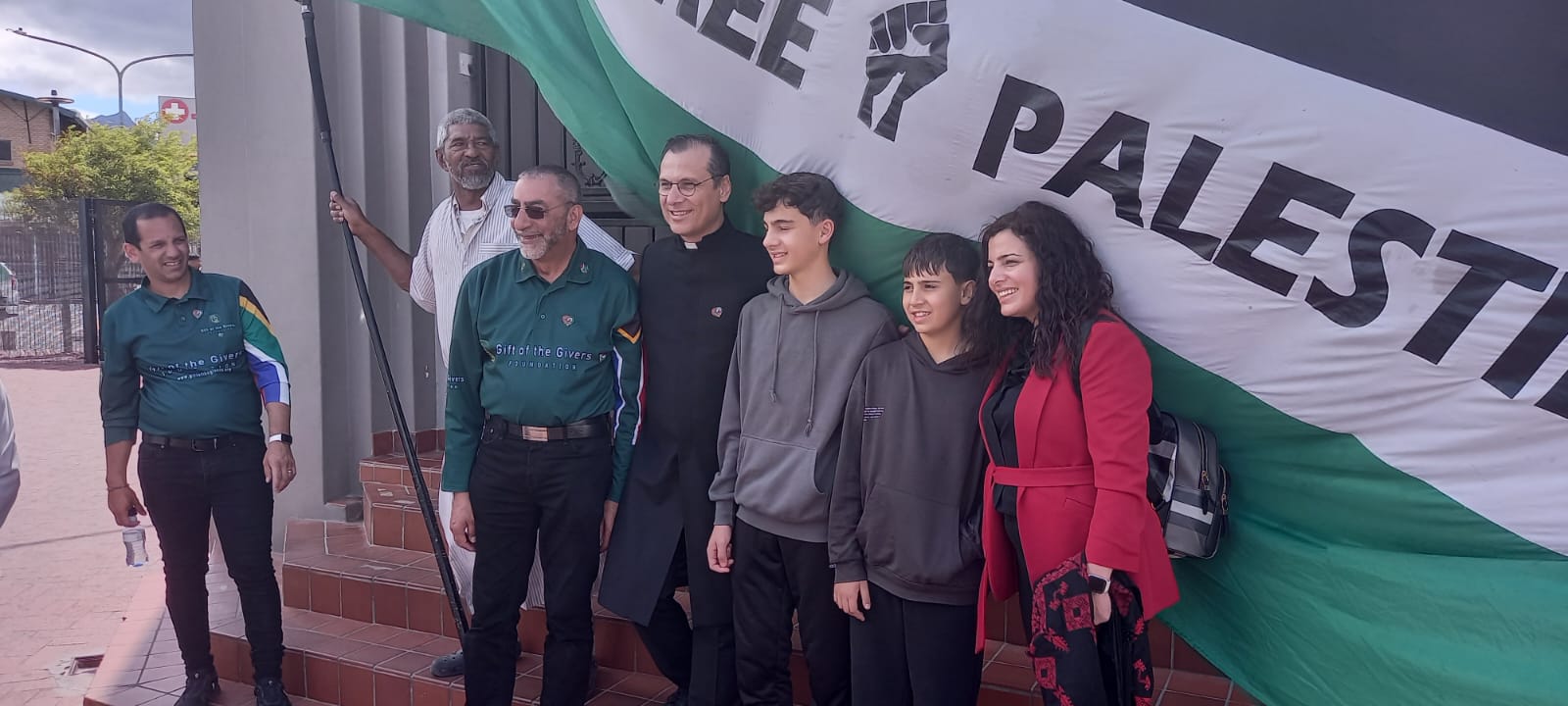
On Friday 2nd January 2026. Rev. Dr. Munther Isaac of Bethlehem, together with his family, was welcomed to Masjidul-Quds, or Gatesville Mosque, in Athlone, Cape Town.

Country Roads: a Reconciliation Day interfaith meander
On Reconciliation Day, December 16th, we have traditionally in Cape Town have organised an Interfaith Walk in District 6. But over these 3 years this became beset with various problems, not least the changing behaviors post-covid and the current divisive world climate.
So yesterday, myself, Cecil Plaatjies, Nic Paton, Aidon Allies, Marie-Therese Nga set out for Mamre to visit the Seutloali family. We took a different route from usual and meandered through upmarket suburbs, vast tracts of farmland, past farm workers’ homes, growing townships and forgotten areas with meaningful names like, Atlantis.
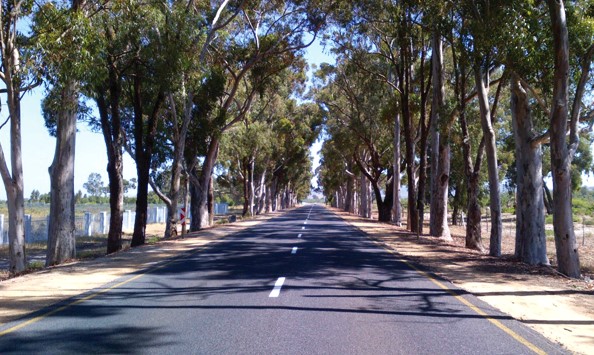
A journey that points to so much that should still be reconciled in this country. Along the winding roads north of Cape Town, we reflected on spatial division, and how many have been flung to outlying areas, with not much access to amenities and opportunity.
It was my second visit after the devastating fire which destroyed the Seutloali homestead. (See “Rising from the Ashes”). We were met with broad smiles and warm hearts. It was a lesson in resilience, hope and victory of the spirit. The Seutloali’s are rebuilding their home and planted crops again.
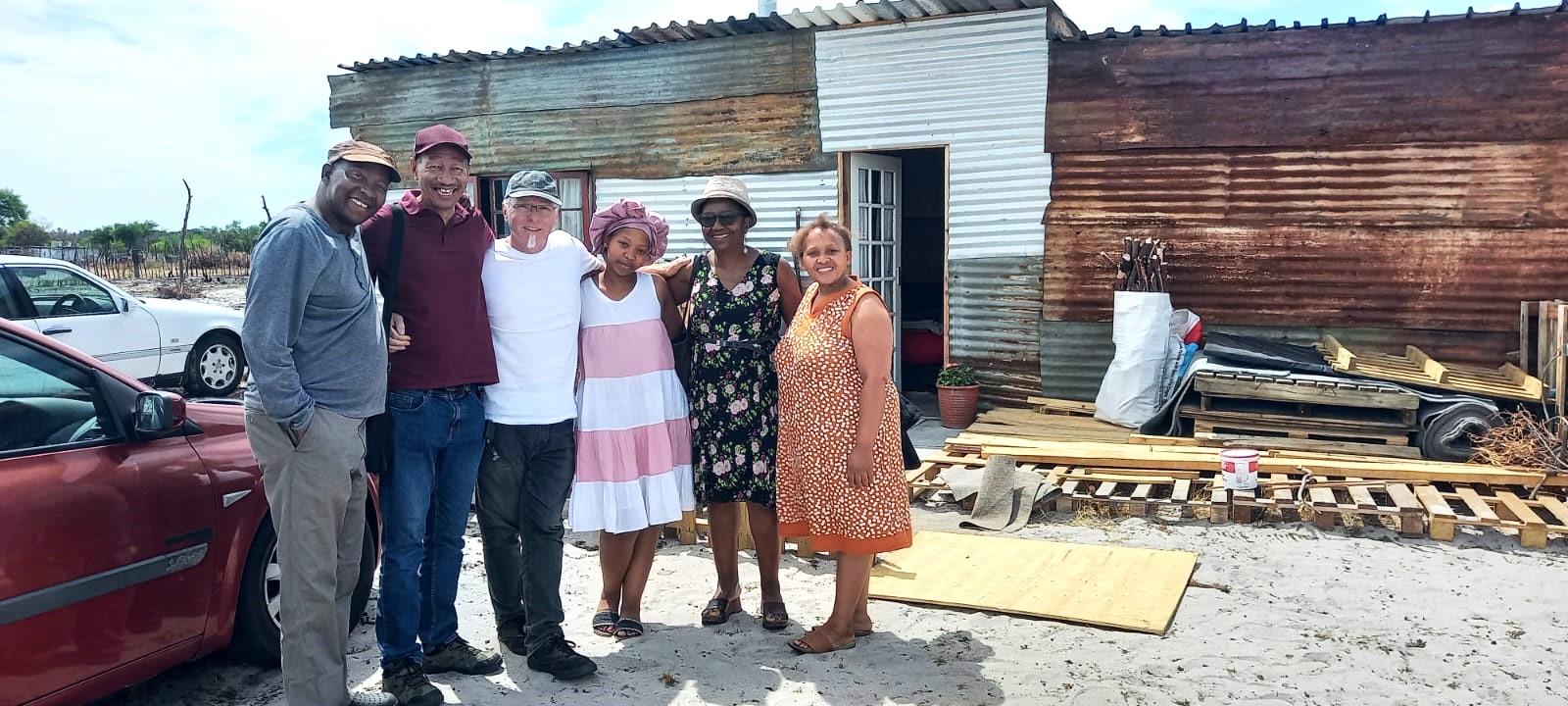
We spent the afternoon in conversation and encouraging each other, and also got to meet another family from the community who came over to visit.
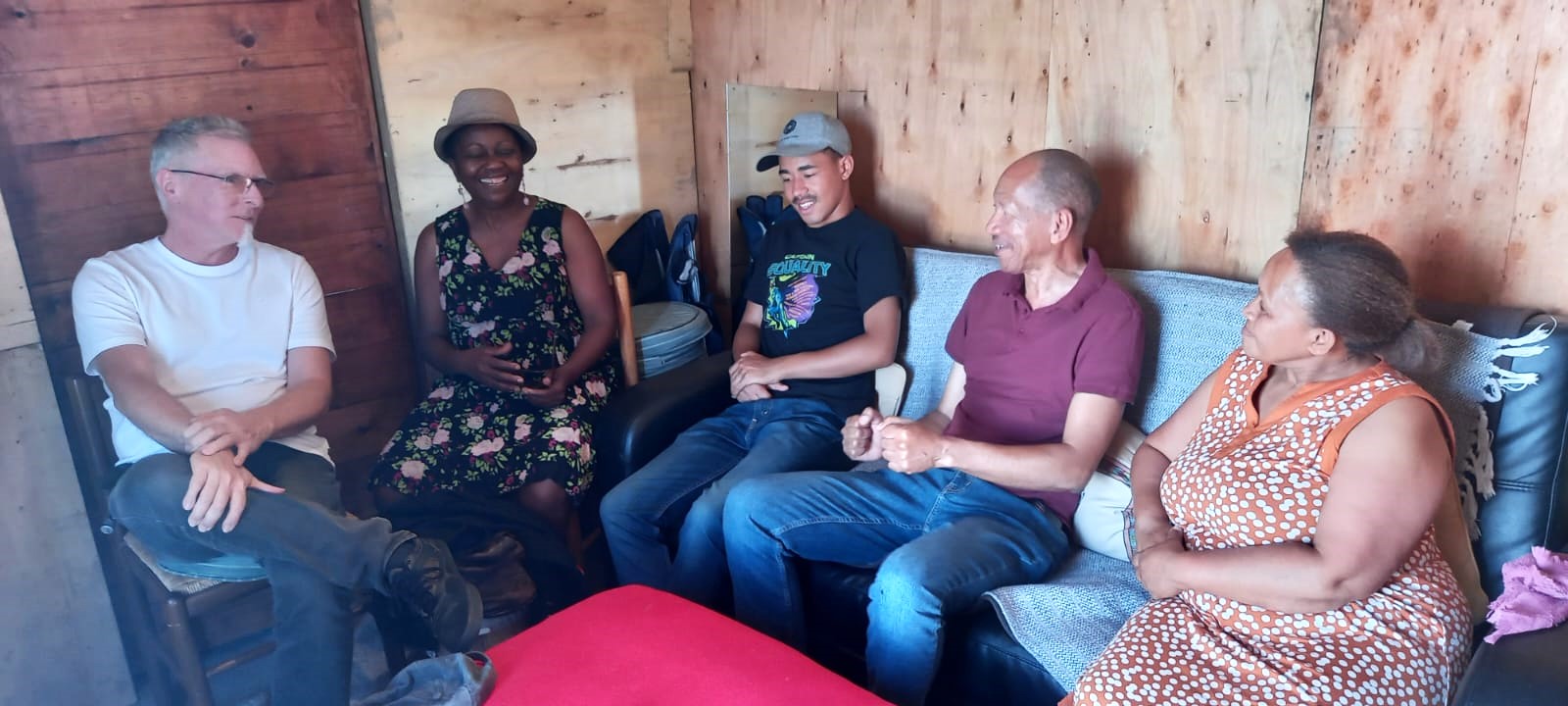
Interfaith is often viewed as a public event consisting of many different religions on the same platform. Person-to-person dialogue does not make good copy. It is invisible, not easy to quantify and label, but it is a model of real peace work and reconciliation. Something that should become part of our daily interactions with each other.
Without planning or ceremony, we found ourselves having been meaningfully involved in an act of Reconciliation.
