
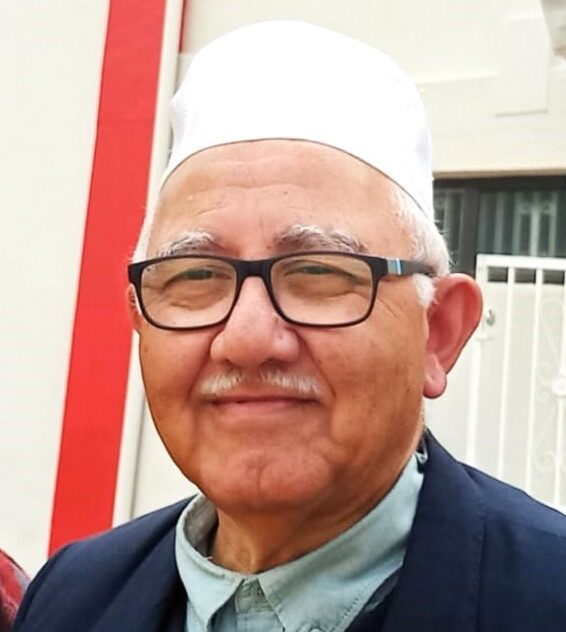
A week ago, Sheik Ismael Keraan, of Al Azhar Masjid District 6 in Cape Town, received a bomb threat via text against his mosque. The message was in Arabic, but was traced to a source in Florida, USA. A case has been opened by South African Security authorities.
Continue reading “An Islamic response to a would-be bomber”
Celebrating the Grade 10 learners of MSYIIP
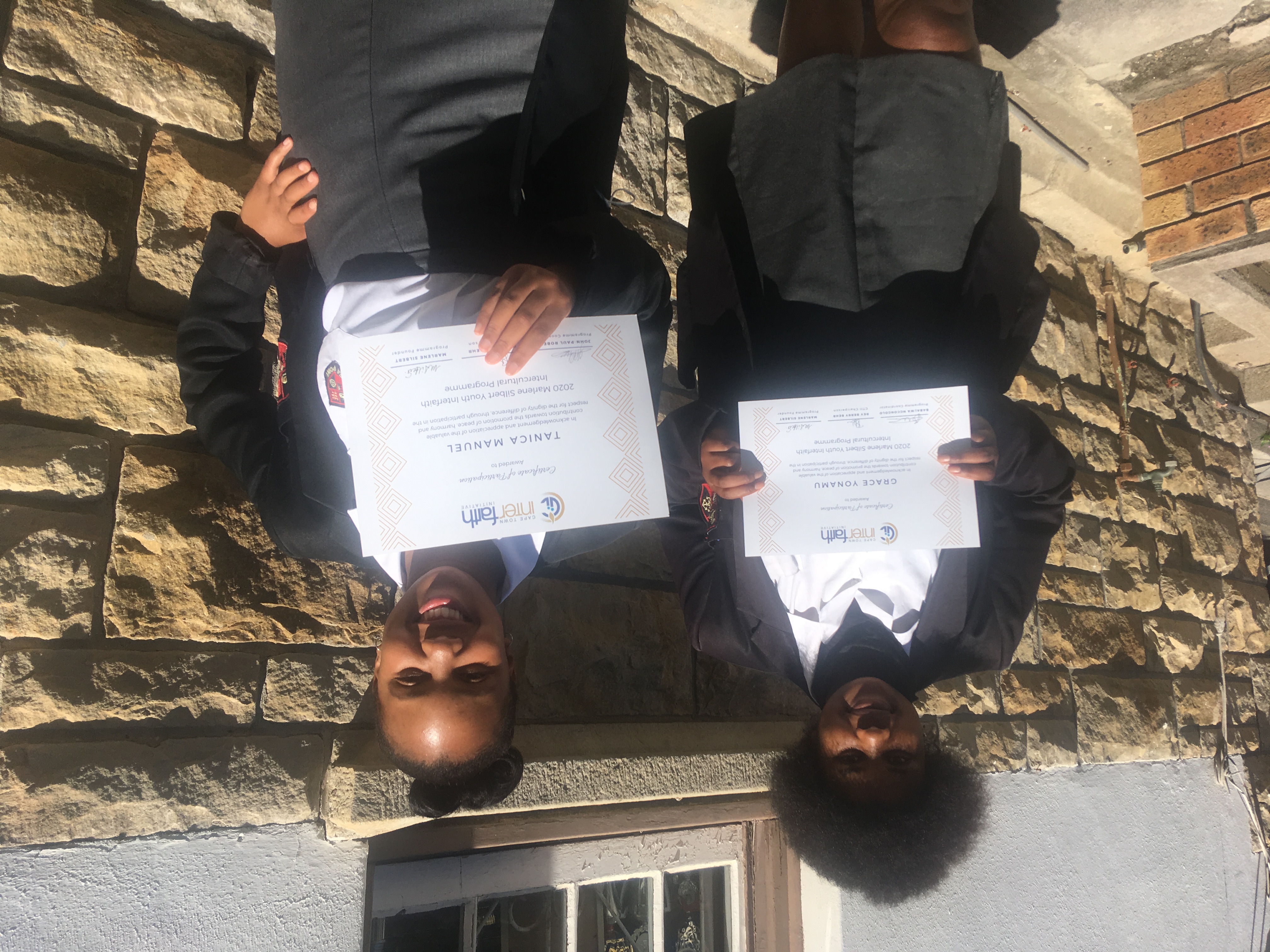
Despite the very different year it has been, our schools programme ended with smiles (albeit behind masks!), as we were able to successfully visit all the schools that participate in the Marlene Silbert Youth Interfaith Intercultural Programme, and hand over certificates to this years cohort of Grade 10s.
This year the programme has had to adapt to moving to an online curriculum, which has offered learners a new opportunity to engage in rich content covering the programme themes of youth activism, social justice and peace-building. We were delighted to be able to award all participating learners with a unique certificate to mark the completion of the year.
We’re so grateful to each of these incredible learners for their commitment to creating peace, justice and healing in the world. We hope you enjoy these pictures below!



Prayer is not a part time pass time. It is a full time awareness.
On the 14th May, CTII responded to the call from the The Higher Committee of Human Fraternity (HCHF), calling on religious leaders and faithful around the world to a day of fasting, prayers and supplications for the good of all humanity for an end to the novel coronavirus (COVID-19) pandemic.
Kirtanya Lutchminarayan, shared these powerful words below as part of this event:
Namaste, the divine in me greets the divine in you.
On this International Day of prayer I’d like to start by first questioning, what is prayer? Growing up I always wondered whether God would punish me if I didn’t light the lamp, go to the temple or pray daily. But as I grew and learnt and delved deeper into my faith and that of those around me, I realised what prayer is not. Prayer is not a fear-based practice, it is not just specific to a time or place, it is not licensed beggary, and it is not remembering God when it is just convenient to us.
Prayer is not a part time pass time. It is a full time awareness.
The most loved people I have met were those living not out of fear, but with love, those who have questioned and acted in devotion of what was important, those who can say that the sky is the roof of their temple and the earth is the floor. Prayer is in the daily values we live, treating others as your very own. Prayer is the kindness you show to others, it is also your actions once you leave your place of worship. Prayer is thinking about those with less than ourselves and acting to help them, even if their beliefs are different. Prayer goes beyond the seen, beyond logic and rationality and can change you and touch lives in ways unimaginable.
As an environmentalist, taking care of nature is my greatest worship, and as a born Hindu, it aligns with the belief that the divine dwells within every being and in every atom. I believe that the absence of a reverence for life and nature is a major reason we find our world in its current state. The primary cause of the current pandemic is that we are commodifying nature more rapidly than ever before. Head over heart is not a winning formula in this case. Humanity has seen animals as resources, we are discarding the living libraries locked in our ancestors and advancing at a rate faster than we can cope.
Our minds have become enlightened by science and technology yet dulled by a system steeped in power, status, selfishness and. We have forgotten the Fibbonacci, a connecting thread running through us and our planet, the sacredness of everything around us, of ourselves, and what makes us human. Our seemingly small actions have amassed to chaos and we have created a mountain with our molehills. The world around is reflective of our inner worlds and actions.
This is called the Butterfly Effect. The phenomenon whereby a minute localized change in a complex system can have large effects elsewhere. It refers to a situation in which an action or change that does not seem important has a very large effect, especially in other places or around the world: Even slight imbalances in starting conditions, lead to huge final variations in outcome because of the instability of the system. It is sometimes said that the flapping of a butterfly’s wings in one part of the world can cause a hurricane on the other side of the globe. A simple event (a wing flap) can cause a cascade of other events.
Likewise good vibrations, especially collective prayer and intention, can achieve mass benefits for humanity spreading a wave of peace and healing, that we need so desperately.
Indigenous cultures and civilisations like the Mayans, the Incas, Khoi San, Maoris, Native Americans and Indian Rishis all had similarities in their ways of living- they had a reverence and connection with the Earth and each other and this is being eroded in current times. In the book, The Tippping Point, by Malcom Gladwell, he speaks about the ‘The Law of the Few’ which explains that a very select group of people is responsible for the “tipping” of almost all social epidemics. We are those people- global citizens and people of faith – it’s time to keep tapping into our heart intelligence. Heart intelligence is to do with the term “Coherence” which used by scientists to describe a highly efficient physiological state in which the following systems, nervous, cardiovascular, hormonal and immune, are all working efficiently and harmoniously. It is the highest level of function where all our bodies are working together as one at an optimal performance level.
This happens when we use heart intelligence, or “flow of intuitive awareness”. When our emotions and mind are brought into coherent alignment with the heart, our brain and heart are operating in a synergetic way, it almost changes the cellular chemistry in our body and extends our energetic field. We then experience a deeper intuitive inner guidance. In other words, heart intelligence can also be defined as the ability of our heart to sync all of the systems of our body, mind and spirit to bring a higher state of awareness, and to bring more clarity and focus to our lives. When this happens, we can heal, and with this clarity and purity we have the ability for prayers to be answered and to be able to bless others.
Now is the time to use our hearts to heal, to bless, to pray and to act.
To conclude and really unpack what it takes to exude the divinity we so need on our world there are qualities of a divine person from scripture, The Bhagavad Gita. These are: fearlessness, purity of heart, perseverance in knowledge, charity, sense restraint, sacrifice, austerity, honesty, nonviolence, truthfulness, absence of anger, renunciation, equanimity, abstaining from malicious talk, compassion for all creatures, freedom from greed, gentleness, modesty, splendor, forgiveness, fortitude, cleanliness, absence of malice, and absence of pride; These are the qualities of those endowed with divine virtues, and qualities that we can all aspire to for a healed world.
In Sanskrit we refer to Sankalpa, which refers to an intention formed by the heart and mind, but more a vow or commitment we make to support our highest truth. Today may we take a sankalpa of imbibing the above qualities and doing our best to be a beacon of light to those around us during challenging times.
May we have an intention of healing for the world, for our individual minds and collective consciousness, to move toward righteous action and for the best of all beings, so that we may live in peace, safety, health and unity.
Lokah Samastah Sukhino Bhavantu
“May all beings be happy and free from suffering. And may the thoughts, words, and actions
in my own life in some way contribute to that happiness and freedom for all.”
– Kirtanya Lutchminarayan, 14 May 2020

International Day of Prayer – 14 May

|
International Day of Peace – DANCE!
Life isn’t about waiting for the storm to pass…It’s about learning to dance in the rain!”
This quote epitomised our celebrations for International Day of Peace, as we joined Soul Circus and Faith Hope Love Communities in a joyful dance of Peace, despite the rainy weather! This event was the launch of Soul Circus’ Caravan journey of inspiring action from the Cape to Cairo. You can follow their incredible journey here.

It was also our chance to celebrate International Day of Peace. As CTII we support the ideal of Peace by 2030 as outlined in the United Nations’ Sustainable Development Goals, and we feel that Goal No 16 (Peace, Justice and Strong Institutions by 2030) is particularly close to our hearts. We will be doing all we can to implement this vision, along with our partner organisations at home and abroad!

