
The New Testament Gospels give account of Jesus’ life, ministry and words. In Matthew 5:9, Jesus identifies peacemakers as those who actively reconcile people with God, with themselves, and with one another. The term ‘peacemaker’ goes beyond the suggestion of avoiding conflict; rather it involves restoring relationships, promoting harmony and fostering understanding in all areas of life.
The Greek word for ‘peace’ (eirene) conveys the sense of wholeness, well-being and completeness, telling us that true peace is holistic and not merely the absence of strife or war. There is, taught Jesus, spiritual reward for those who actively peace and reconciliation.
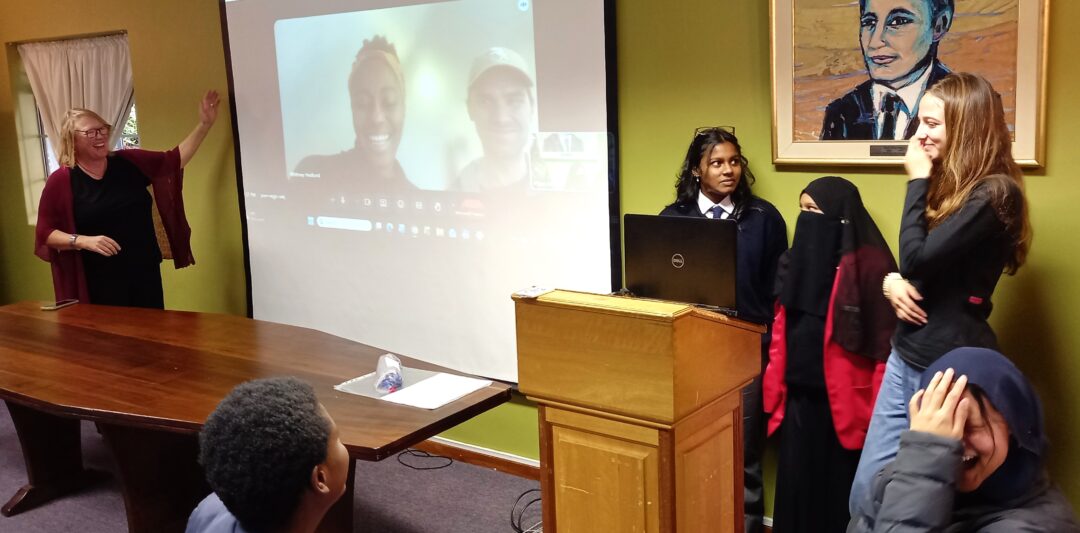
This inspired the title and theme of our third Grade 11 session of 2026: “Blessed Are the Peacemakers”, offered by two of our former interns on the Youth Programme: Whitney Hedlund who has just completed her Masters in Peace Studies at Notre Dame University in the USA (her supervisor none other than Imam Rashied Omar of the Claremont Main Road Mosque); and Lauren Seckington, who was a recipient of the 2025 Thomas J. Watson Fellowship for her yearlong project and global research on “Seeking Peace Through Interfaith Dialogue in Pluralist Societies”.
Their presence and support of our Youth Programme last year was transformative for all concerned, and April 30th this year provided a surprise reunion for the Grade 11s, albeit an online one, with Whitney beaming in from South Bend, Indiana and Lauren from New Zealand.
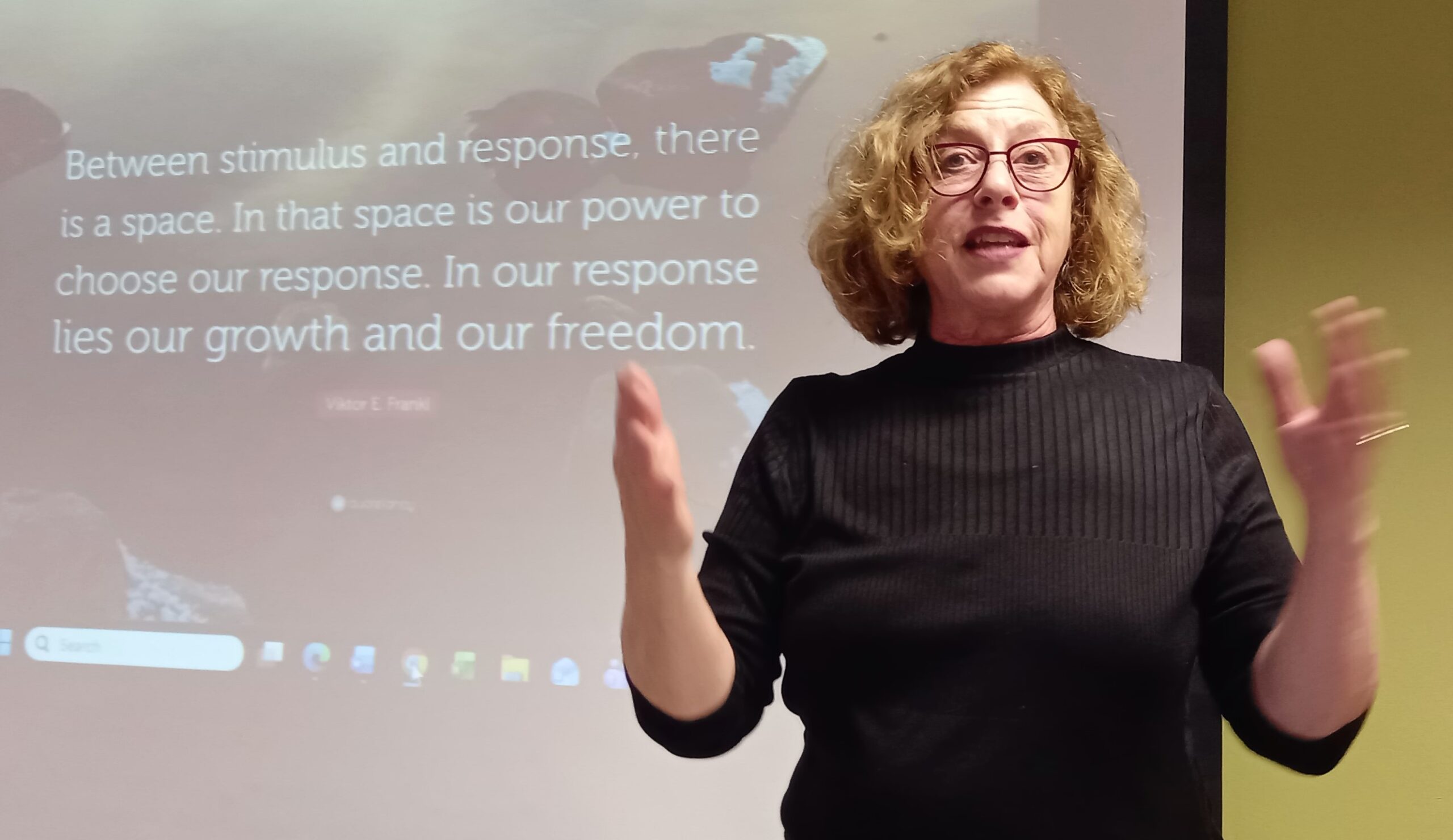
Ann Paton, a key member of the Youth Programme team and experienced therapist, guided us on a grounding activity: “…we are wanting to equip each student with skills that will enhance their self-knowledge and their ability to regulate their nervous systems. With this in mind, I have been introducing small practices of awareness and somatic work at the beginning of each session to teach simple but effective tools. We want to enhance their ability to notice early on when they are about to go out of regulation and know what to do to bring themselves back. Quite often we disregulate from pressures outside of us or from our own thoughts, so it is a wonderful skill to be aware of techniques that will help keep their brains online and their bodies calm and steady. In this way they can go through life with skills to help them flourish.”
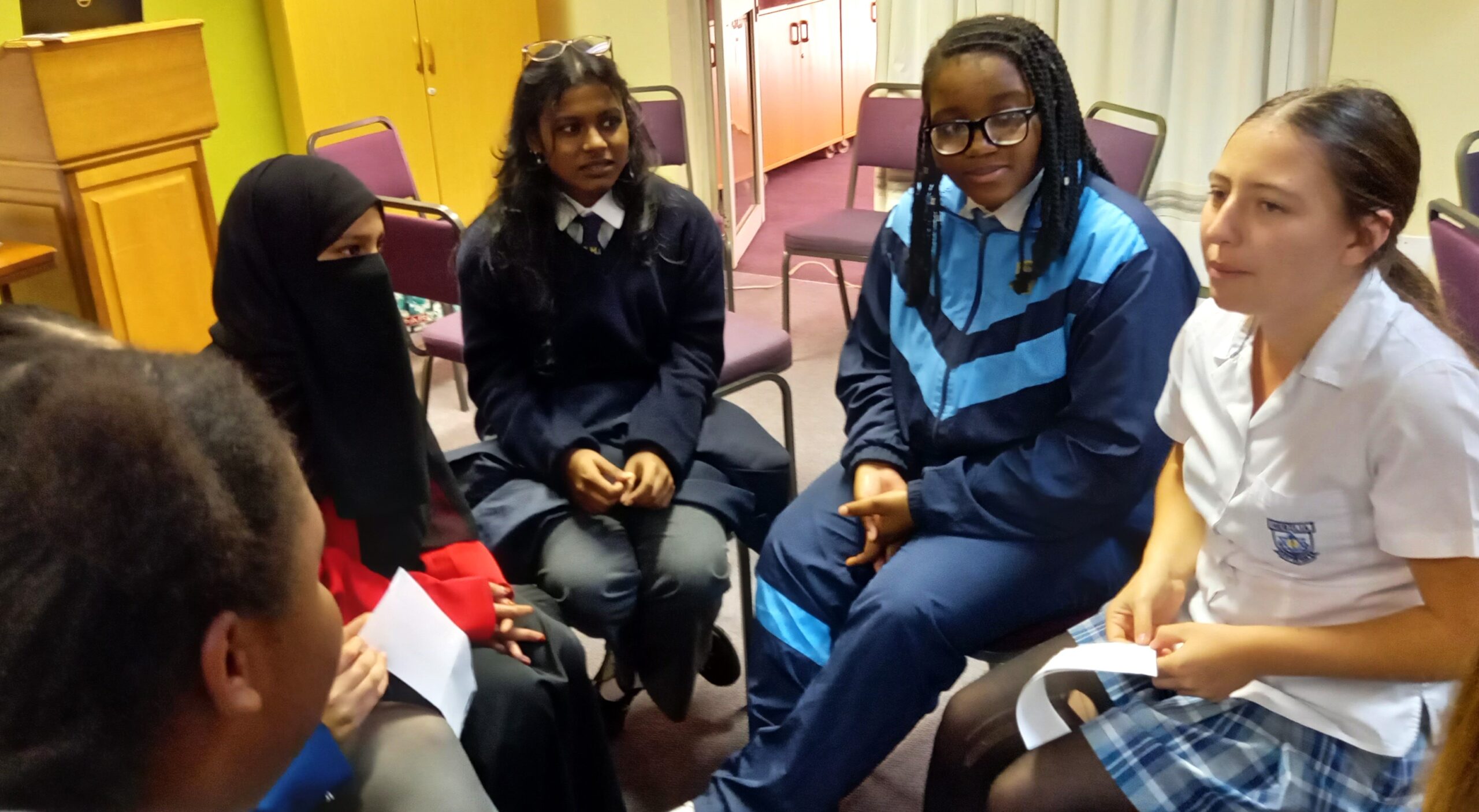
Whitney and Lauren then led us in an exploration of what it is to be a peacemaker in our world today. First, in small groups, we were asked to consider the many hands involved in any everyday item – something we rarely pause to consider: how many people and how much effort went into the creation and delivery of my T-shirt, my sandwich, my phone; how much of an impact on our environment would this have made to bring each item into being. A powerful exercise in consideration of the global human family and in learning how to be increasingly aware of and grateful for everyone and everything.
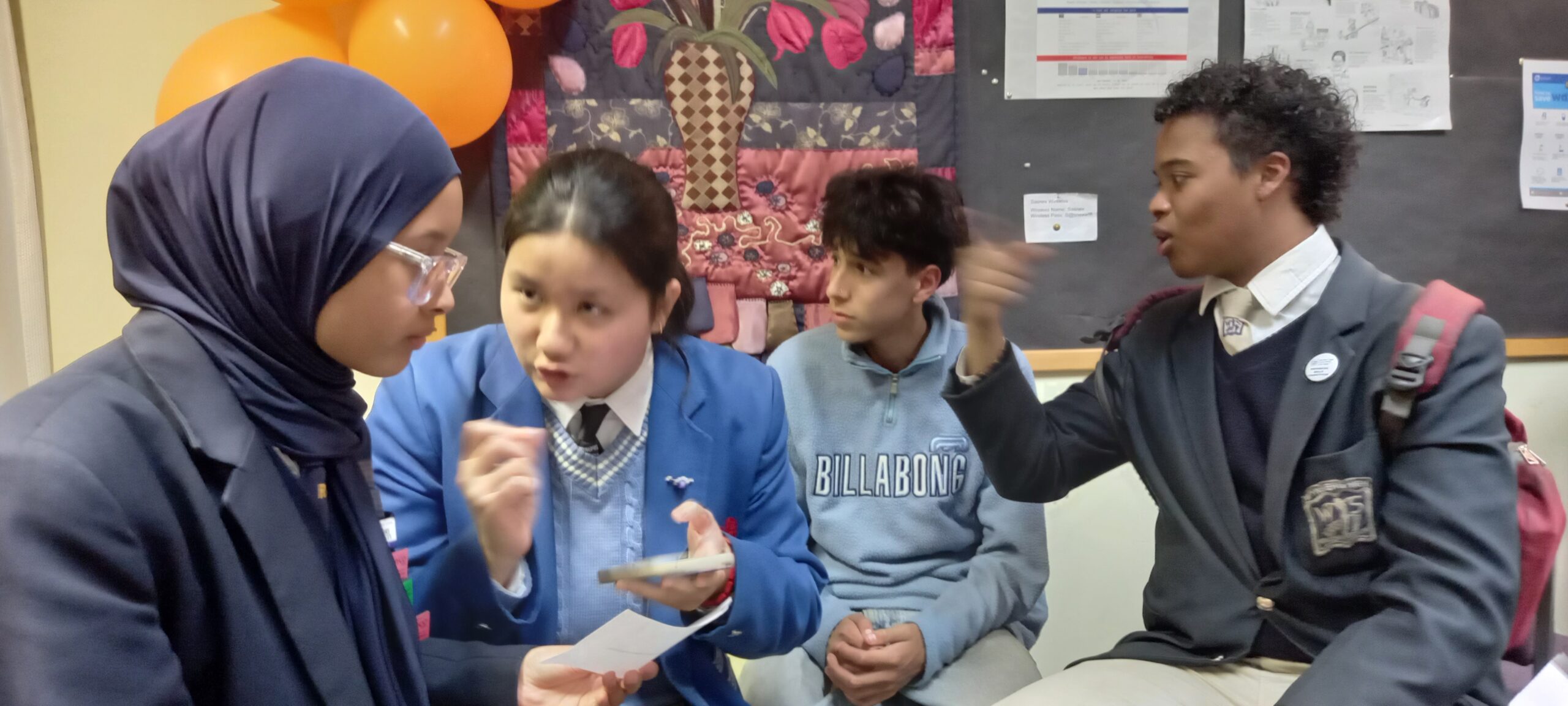
Next Whitney and Lauren helped us distinguish between ‘negative peace’ and ‘positive peace’ – in other words, the absence of direct violence as opposed to the presence of social justice, equality and the structures in our societies that can help us sustain lasting harmony. After a brief session on ‘Active Listening’ – learning to really hear one another without interpretation, judgement or comment, the learners broke into small groups each with a different scenario that presented two sides. How could the “peacemakers” in the group help to end the conflict (negative peace) and promote a transformation of the conflict (positive peace).
Lauren: “…a topic as large and complex as peace (including) everyday peace is truly a beautiful approach. The reminder that peacebuilding is just as important internally and locally as it is globally is radical. I’m continuously wowed by the students’ curiosity. They learn passionately, thoughtfully, and intentionally. Even through Google Meet, the students’ energy can be felt through the screen. They’re truly an inspiring group of young people whose commitment to becoming better, for themselves and their community, is admirable.
Whitney: “Even in the virtual space, it was encouraging to see how intentionally the students engaged with the topic and exercises. Their insights were thoughtful, crafted with care, and still grounded in the theoretical framing of everyday peace. Their genuine engagement with the topic demonstrated how the essence of peacebuilding, whether in high-level mediation or a dispute between friends, is centered around empathetically seeing the “other” in front of you as full of dignity, worthy of tender care, and deserving of compassion. The students went beyond the “surface” and dove deeper to understand the root causes of the conflicts they were encountering which alluded to the peacebuilding work they are undoubtedly already doing in their everyday lives. It was an honor to witness their everyday peacebuilding practices.”
Blessed be indeed.
