

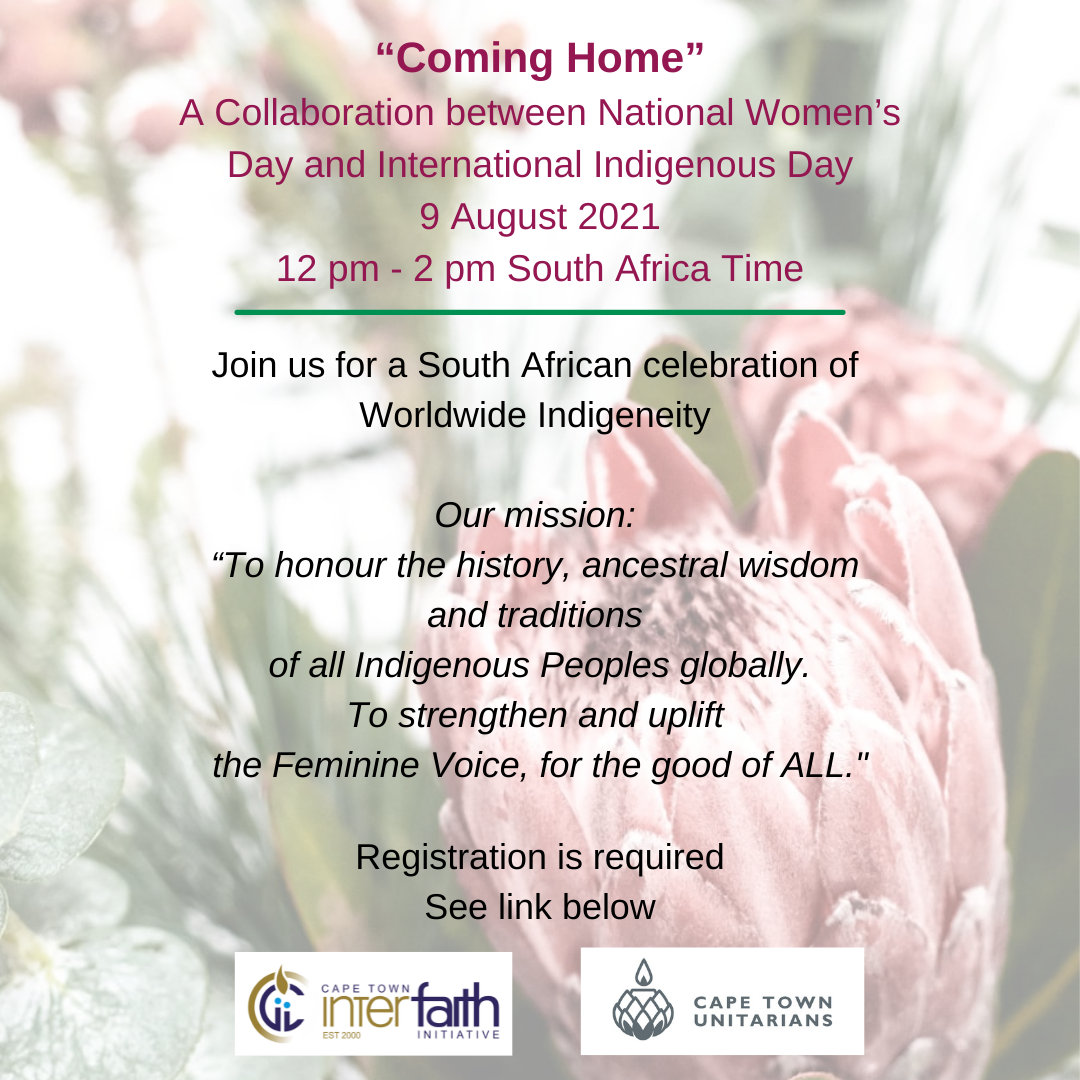
Please click HERE to register for a South African celebration of Worldwide Indigeneity.

Stop the proposed River Club Development
CTII stands in solidarity with the Observatory Civic Association, the Philippi Horticultural Association, Claremont Main Road Mosque, and others who have objected to the proposed Amazon development at the site of the Two Rivers in Cape Town.
Our objection is based on environmental, historical, and moral considerations. At a time when reconciliation and common purpose are paramount, we see the creation of yet more division, anger, and hatred by separating sibling from sibling, a nation from its land.
Our history is a shared history. This land is the site of two of the world’s oldest civilizations: the Khoi and the San. It is a site of resistance to invasion, dispossession, and slavery – a resistance that began almost 4 centuries ago. This is sacred land that carries the memories of the earliest ancestors of humankind itself. National and world heritage cannot be for sale. Neither can the environment.
This is the convergence of two rivers that have run since the dawn of time. It is a flood plain that plays an important role in the balance of Nature and the changes of seasons. It is home to endangered indigenous species. The survival of humankind and our planet depends on the mitigation of climate change by protecting, not destroying our natural resources.
CTII cannot reconcile with any form of epistemic violence that ignores the voices of the unseen, the unheard, the marginalized, and the forgotten; nor that which desecrates or tramples sensitive ecologies or sacred histories. Instead, we seek respect for the preciousness of history, the dignity of our ancestors, and the sanctity of Mother Earth. We urge this in the knowledge that Nature requires humanity to work with, not against her; and the threat of rising sea levels and predicted climate change-related extreme weather events may well exact an act of tragic revenge when we seek to colonise the natural order that God has ordained.
International best practice for climate resilience and building a future that will be sustainable for all, says we should protect our waterways, our biodiversity, and our ecologically sensitive areas which are our natural filtration systems, our lungs, and our temples.
While we welcome investment and job creation, there are other places within our city where such endeavours can be effectively maximised. New construction is not always necessary. In our pandemic-gripped world, there are many existing buildings reaching out for new life and a rejuvenated purpose.
Riches lie not just in capitalism but also in history and in spiritual wellbeing. Through various structures including CoCT’s own Environmental Management Department and Environment and Heritage Resources Information Centre, the City of Cape Town aspire to ethical custodianship of our land and our unique heritage. We call on our City fathers and mothers to uphold the standards they have set themselves to ensure legacies that our children and future generations may be proud of.
Let us never forget who we are as a people and where we have come from.

Calling our country to prayer
Cape Town faith organisations are calling for a daily two-minute period of silence at 12 noon from Monday 12 July until South Africa is cleared to return to Level 1 in the Covid19 response.
The call echoes a practice which originated in Cape Town during World War 1 when the entire city came to a standstill for two minutes every day at the sound of the noon day gun. The first minute was to pray for those whose lives had been lost in the war, and the second was to give thanks for those still living. The practice was the brainchild of Cape Town City Councillor Robert Brydone in 1918, and it became a worldwide observation of respect for the victims of war and compassion for those left behind.
Now, Cape Town faith organisations are calling for a return of the daily practice of communal silence as it represents a moment of solidarity when everyone is focused on the same desired outcome, namely acknowledgement of shared grief, comfort for the bereaved, and a prayer for healing and peace in our troubled land.
The organisations, which include international award-winning organisations Cape Town Interfaith Initiative, Religions for Peace and Faith Hope Love Communities as well as the Western Cape Chaplaincy, represent a broad cross-section of faiths that live side by side in Cape Town.
The groups are inviting all South Africans to participate in the daily two-minute silence.
Rev Dorothea Gopie, Chairperson of the Western Cape Chaplaincy, said the call would go out across their membership to begin the practice from Monday 12 July. She said: “This is a call to realign ourselves with God and to bring our communities together in united prayer for something that we all want, which is the good health and wellbeing of all the people of South Africa.”
James Ellman, Director of Elsie’s River based NGO Faith Hope Love Communities, said the situation for many people was worsening daily as the Covid19 lockdowns impact job security, food security and push people out of their homes. He said 12 noon was already the set prayer time in the Catholic guide. He urged people of all faiths to participate, saying: “There is power in prayer, especially communal prayer.”
Cape Town Interfaith Initiative‘s Chairperson, Reverend Berry Behr, said the call from the Interfaith communities is based on the understanding that although people of different religions pray differently, all prayer is powerful and represents the solidarity of a common intention and plea to the Divine. She urges everyone to participate:
“Even if you are not affiliated or do not identify with any specific religion, just observing a moment of silence is powerful not only to align with the flow of life but also to bring peace into your own heart and mind. Covid19 does not recognise race, religion, nationality, economic status, or gender. It affects all of us and all of our loved ones, colleagues, and communities. Standing together at this time will give citizens a sense of purpose, and a feeling of contributing to the greater good. It will also send a clear message to Divine Creation that we are seeking healing now.”
Action points to participate:
- Set an alarm for 11.59 every day, and again at 12.01.
- When your alarm sounds, stop whatever you are doing. Hold silent stillness for two minutes. If you do not pray, simply focus on your breath.
- Think about those who have passed away during this pandemic, and about the continued safety of the rest of us.
- Pray that we all take steps to stop the spread of this pandemic, like wearing our masks and maintaining social distancing.
- Invite others to join you.
Together we are stronger.
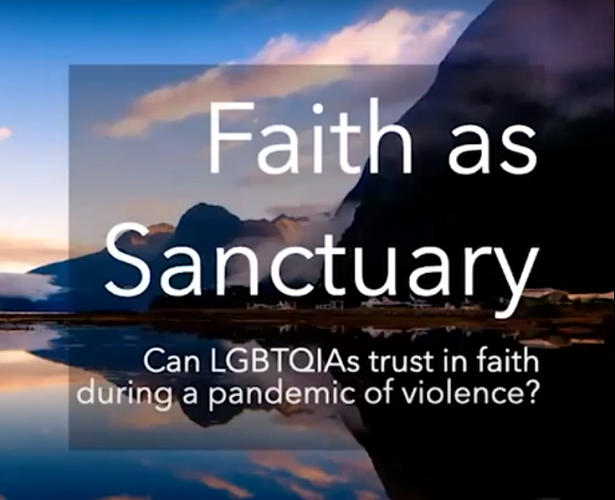
Faith as Sanctuary: can the LGBTQI+ community trust in faith?
On Sunday, 17 May 2021, Cape Town Unitarians had a panel discussion in honour of International Day Against Homophobia, Transphobia, and Biphobia.
HIV/ AIDS and equal rights activist, Justice Edwin Cameron moderates a panel discussion with author Siya Khumalo, Imam Muhsin Hendricks, and Dr. Anastacia Tomson, on the topic Faith as Sanctuary: Can the LGBTQIA+ trust in faith during a pandemic of violence?
We should all strive to uphold the rights of vulnerable and marginalised people, to become a more inclusive society.

Human Rights Day: Speaking Our Truth
On Sunday, 21 March 2021, 16 diverse leaders in the Cape Town Interfaith community united their voices to speak out for our human rights. Interfaith leaders such as Dr. Mamphela Ramphele, Bishop Thembekile Gqwaka, Imam Dr. Rashied Omar, and many more were present.
The theme for Human Rights Day was Speaking Our Truth: A united voice for governance, justice, and inclusion. Nic Paton put together a beautiful film to commemorate this auspicious occasion.
Peace and blessings to you all.